
Utara’DAILY: Getting to Know the Whale Shark, a Giant, Tame, and Protected Sea Fish
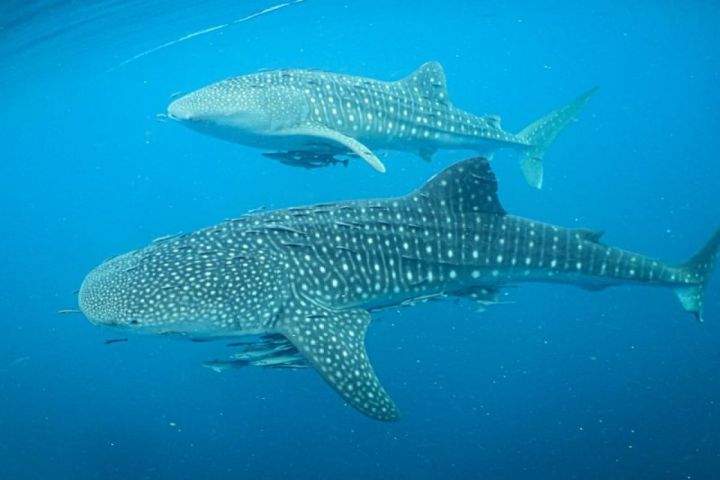
The whale shark (Rhincodon typus) is a remarkable species that captures the imagination of marine enthusiasts worldwide. Despite its enormous size, this fish is known for its gentle nature, making it unique among ocean giants. Furthermore, its status as a protected species highlights the importance of conservation efforts to safeguard marine biodiversity.
This article explores the whale shark in depth, examining its biology, behavior, habitats, conservation, and interaction with humans. By the end, readers will gain a comprehensive understanding of why this species is both awe-inspiring and vulnerable.
Introduction to the Whale Shark
The whale shark is the largest fish in the world. Adults can reach lengths of 12 to 18 meters, and some exceptional individuals reportedly exceed 20 meters. Despite their size, whale sharks are filter feeders, consuming plankton, small fish, and other microscopic organisms.
Interestingly, these giants are slow-moving and exhibit a docile temperament, allowing divers and snorkelers to approach them safely under regulated conditions. Consequently, they are a favorite for eco-tourism in many tropical regions.
Physical Characteristics
Whale sharks have distinctive features that make them easily recognizable:
- Spotted Pattern: Each whale shark has a unique pattern of white spots and stripes across its grey-blue skin. Researchers use this pattern for identification.
- Wide Mouth: Their broad mouths can stretch up to 1.5 meters, allowing them to filter massive amounts of water for food.
- Gill Rakers: These structures trap plankton and small fish, functioning as a natural sieve.
- Flattened Head: Unlike many sharks, whale sharks have a rounded, wide head with eyes positioned laterally.
Additionally, their tails and dorsal fins contribute to their streamlined shape, enabling slow yet efficient swimming.
Habitat and Distribution
Whale sharks inhabit warm, tropical waters across all major oceans, including the Atlantic, Pacific, and Indian Oceans. They migrate extensively in search of food and suitable breeding grounds.
Key regions where whale sharks are commonly observed include:
- Ningaloo Reef, Australia
- Donsol Bay, Philippines
- Maldives
- Belize Barrier Reef, Central America
Seasonal migrations are closely linked to plankton blooms, which provide abundant feeding opportunities.
Feeding Habits
Unlike predatory sharks, whale sharks are filter feeders, consuming small organisms efficiently. They feed using two main techniques:
- Ram Filtration: Swimming with an open mouth to collect water and food.
- Suction Feeding: Drawing water in actively to filter prey.
They can consume up to 40 kilograms of plankton per day, highlighting their vital role in maintaining oceanic ecosystems. By controlling plankton populations, whale sharks contribute to marine ecological balance.
Behavior and Temperament
Whale sharks are famously tame and approachable, often swimming near the surface. Observations indicate:
- Slow swimming speeds (approximately 3 km/h)
- Non-aggressive behavior toward humans
- Curiosity and interaction with divers in certain regions
Despite their size, these giants pose no significant threat to humans. However, human activities, such as boat strikes, can endanger them, emphasizing the need for cautious interaction.
Reproduction and Life Cycle
Whale sharks are ovoviviparous, meaning eggs develop inside the mother, and live young are born fully formed. Each pregnancy can produce hundreds of pups, though many juveniles do not survive to adulthood.
Mating and birthing grounds are poorly understood, as these events occur in remote and deep waters. This lack of data challenges conservationists aiming to protect breeding populations.
Conservation Status
The whale shark is currently listed as Endangered by the IUCN. Threats include:
- Fishing: Targeted for fins, meat, and oil in some countries
- Bycatch: Accidental capture in fishing nets
- Boat Collisions: Surface feeding increases vulnerability to ship strikes
- Habitat Degradation: Coastal development and pollution affect food sources
International regulations, including CITES protections, aim to curb trade and promote sustainable interactions.
Human Interaction and Eco-Tourism
Whale sharks attract eco-tourists, divers, and researchers due to their approachable nature. Responsible tourism ensures:
- Minimum distance rules for divers
- No-touch policies
- Limits on the number of boats in feeding areas
Such practices not only protect whale sharks but also support local economies through eco-friendly tourism.
Scientific Research and Tracking
Modern research uses technology to study whale sharks:
- Satellite Tags: Track migration patterns
- Photo Identification: Catalog individuals by spot patterns
- Genetic Studies: Understand population structures and connectivity
Research helps inform conservation strategies and ensures protection across international waters.
Cultural Significance
In some coastal communities, whale sharks are revered. Traditional folklore often regards them as gentle giants of the sea. This cultural value complements modern conservation efforts, creating awareness about the importance of marine life preservation.
Climate Change and Environmental Threats
Climate change affects whale sharks in multiple ways:
- Altered ocean temperatures impact migration and feeding
- Plankton distribution shifts affect food availability
- Extreme weather events threaten coastal habitats
Conservation plans increasingly integrate climate resilience strategies to safeguard whale shark populations.
Educational Importance
Whale sharks serve as a living classroom for marine biology and environmental studies. Educational programs promote:
- Marine conservation awareness
- The significance of filter feeders in ecosystems
- Human responsibility toward endangered species
By fostering awareness, these programs encourage sustainable behaviors in future generations.
Whale Sharks in Popular Media
Documentaries, social media, and photography have popularized whale sharks globally. Viral videos showing interactions with these gentle giants highlight the beauty and mystery of ocean life, inspiring both awe and conservation action.
Key Threats and Mitigation Measures
Protecting whale sharks involves addressing threats such as:
- Illegal hunting – Enforce fishing bans
- Habitat destruction – Preserve critical coastal zones
- Boat strikes – Implement speed regulations in feeding areas
- Pollution – Reduce plastics and chemical runoff
Collaborative global efforts, including research, policy, and public education, are essential for long-term survival.
Whale Sharks as an Indicator Species
Whale sharks are considered indicator species, meaning their health reflects the state of marine ecosystems. A thriving population often signals:
- Healthy plankton levels
- Clean waters
- Balanced predator-prey relationships
Conversely, declining populations indicate environmental stress, emphasizing the need for protective measures.
Considerations in Whale Shark Tourism
tourism ensures minimal disruption:
- Avoid feeding or touching the animals
- Limit snorkeling or diving interactions
- Follow local guidelines for sustainable observation
engagement balances human curiosity with species preservation.
Research Gaps and Future Directions
Despite extensive studies, knowledge gaps remain, especially regarding:
- Reproductive behavior in the wild
- Migration and breeding routes
- Long-term population trends
Future research, supported by satellite tracking and genetic studies, will improve conservation planning.
Conclusion: Celebrating a Gentle Giant
In summary, the whale shark is a unique marine species—a giant, tame, and protected fish that plays a crucial role in ocean ecosystems. Its gentle demeanor, enormous size, and ecological importance make it a symbol of marine conservation.
By understanding their biology, behavior, and threats, humans can ensure that whale sharks continue to grace our oceans for generations to come. Responsible tourism, research, and international cooperation remain key in protecting this remarkable species.