
The War Between Thailand and Cambodia Is Heating Up
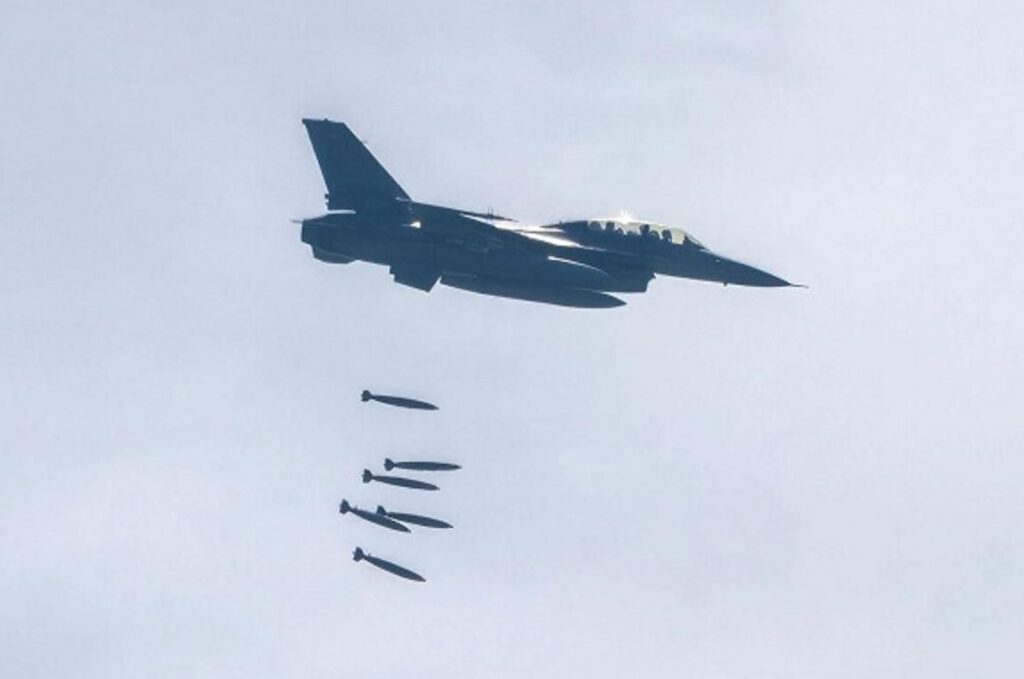
Escalating Tensions Along the Border
The long-standing border disputes between Thailand and Cambodia have entered a dangerous new phase. The conflict, previously confined to sporadic skirmishes, is now heating up, with military operations spreading across multiple provinces. Both governments have mobilized troops and reinforced military positions, signaling that neither side intends to retreat.
Moreover, this escalation reflects deeper historical and political tensions. Disputes over territory, resources, and national pride have long simmered beneath the surface. Consequently, the current surge in violence threatens to destabilize the broader region if not contained promptly.
As fighting intensifies, civilians are increasingly caught in the crossfire, prompting urgent humanitarian concerns.
Historical Background of the Conflict
Thailand and Cambodia share a long and complex history. Border conflicts have periodically flared up over decades, often rooted in colonial-era territorial delineations. The most sensitive zones involve contested provinces along the northeastern border, where both countries claim sovereignty.
During previous confrontations, limited ceasefires occasionally restored calm. However, underlying disputes remained unresolved, allowing tensions to resurface periodically. This historical pattern has created a volatile environment where small incidents can quickly escalate.
Understanding this history is essential to grasp why the current escalation is particularly concerning.
Recent Developments in the Escalation
Recent reports indicate that clashes have intensified in five provinces along the border. Both Thai and Cambodian forces have deployed heavy artillery, armored units, and air surveillance, suggesting preparation for prolonged engagement.
Furthermore, border villages have experienced shelling, forcing thousands to evacuate. Local authorities warn that infrastructure, including schools, hospitals, and roads, faces significant damage.
Because the conflict now spans multiple provinces, humanitarian needs are rising sharply. Emergency shelters, medical supplies, and food aid are urgently required to support displaced populations.
Civilian Impact and Humanitarian Concerns
Perhaps the most alarming aspect of the escalation is its effect on civilians. Men, women, and children increasingly bear the consequences of hostilities.
Reports of injuries and deaths among non-combatants have already emerged. Families flee their homes under threat, while access to essential services becomes severely limited. Humanitarian organizations have issued warnings that continued fighting could create a full-blown crisis.
In addition to physical dangers, psychological stress is growing among affected communities. Trauma, fear, and uncertainty contribute to long-term societal challenges, highlighting the human cost of the conflict.
Military Strategies and Deployment
Both Thailand and Cambodia have implemented strategic troop movements aimed at securing contested areas. Thai forces focus on reinforcing positions in key provinces, while Cambodian units deploy artillery and surveillance to monitor border crossings.
The military strategies of both sides reveal a focus on controlling terrain and limiting the opponent’s mobility. However, increased militarization also raises the risk of miscalculations that could further escalate the conflict.
Experts warn that heavy troop concentration in civilian areas amplifies the risk of collateral damage. Consequently, humanitarian actors are urging caution and restraint.
Political Statements and National Narratives
Both governments have framed the conflict in terms of national sovereignty. Thai officials emphasize defensive measures to protect territorial integrity, whereas Cambodian leaders accuse Thailand of aggression.
This contrasting narrative complicates diplomatic efforts, as each side portrays the other as the primary instigator. Public messaging reinforces national identity but also hardens domestic support for military actions, reducing incentives for compromise.
Regional Implications of the Conflict
The Thailand-Cambodia war has far-reaching regional implications. Neighboring countries monitor developments closely, concerned that instability may spill over borders. Trade routes, cross-border commerce, and regional tourism already face disruption due to heightened security concerns.
Furthermore, regional organizations such as ASEAN are under pressure to mediate. The conflict tests the effectiveness of regional cooperation in maintaining peace and stability.
Economic Consequences
Beyond human suffering, the conflict inflicts serious economic damage. Border trade has declined sharply, local markets have closed, and agricultural activities are disrupted.
Tourism, a significant source of income for border regions, has slowed dramatically. Businesses dependent on cross-border exchange face losses, while long-term uncertainty threatens investment.
These economic pressures exacerbate the humanitarian crisis, highlighting the need for urgent conflict resolution.
International Reactions
The international community has expressed concern over the escalation. Governments, international organizations, and NGOs have called for immediate ceasefires and humanitarian access.
United Nations representatives urge both parties to engage in dialogue and protect civilians in accordance with international law. Meanwhile, neighboring states offer to facilitate mediation, emphasizing the importance of regional stability.
Diplomatic Efforts and Peace Initiatives
Diplomacy remains a critical avenue for conflict resolution. Although trust is limited, negotiators have emphasized dialogue over prolonged combat.
Confidence-building measures, such as temporary ceasefires and joint monitoring, could create the conditions for lasting peace. Historically, negotiated agreements have successfully reduced tensions, suggesting that diplomacy remains viable if both sides show commitment.
Challenges to Achieving Ceasefire
Despite international pressure, achieving a ceasefire faces multiple challenges. Deep-seated mistrust, political pressures, and domestic expectations hinder rapid negotiation.
Additionally, fragmented command structures in border provinces complicate enforcement. Even if a formal ceasefire is declared, localized clashes may persist, prolonging civilian suffering.
Nonetheless, ongoing humanitarian dialogue continues to provide hope for temporary halts in fighting.
The Role of Humanitarian Organizations
Humanitarian agencies play a vital role in mitigating civilian suffering. Organizations provide emergency shelter, food, medical assistance, and psychological support.
Coordination with local authorities ensures aid reaches the most affected areas. However, ongoing hostilities make access difficult and dangerous, highlighting the urgent need for conflict de-escalation.
Protecting Vulnerable Groups
Women, children, and the elderly face disproportionate risks during conflict. Schools and hospitals in border regions are under threat, reducing access to education and healthcare.
Humanitarian actors prioritize protection and assistance for these groups. International law obliges combatants to minimize civilian harm, emphasizing the ethical imperative alongside practical considerations.
Historical Lessons for Conflict Resolution
Previous border confrontations between Thailand and Cambodia offer valuable lessons. Temporary ceasefires, negotiation, and third-party mediation often prevented escalation into full-scale war.
Learning from history can guide current decision-making. Both governments could leverage past experiences to build sustainable peace, protecting civilians while addressing territorial disputes.
Media Coverage and Public Awareness
Media reporting has shaped public perception of the conflict. International outlets highlight both military developments and humanitarian impact.
Social media amplifies information, spreading news rapidly but sometimes creating misinformation. Responsible journalism is crucial in informing global audiences and maintaining transparency.
Potential Scenarios Ahead
The war’s trajectory remains uncertain. Optimistic scenarios envision temporary ceasefires leading to dialogue and eventual resolution.
Pessimistic scenarios foresee prolonged combat, growing civilian casualties, and regional destabilization. Preparing for both outcomes, governments and humanitarian organizations plan contingencies to minimize harm.
Ethical and Legal Considerations
International humanitarian law obliges parties to protect civilians and civilian infrastructure. Any violations could provoke international accountability measures.
Ethical considerations also extend to combatant behavior and adherence to established norms. Maintaining respect for human rights remains critical in preventing long-term social and political repercussions.
Impact on Regional Cooperation
The conflict tests ASEAN’s conflict-resolution mechanisms and regional solidarity. Effective mediation could strengthen cooperation, while failure may undermine credibility.
Neighboring states observe closely, weighing intervention and assistance strategies to prevent wider instability.
Psychological and Social Consequences
Beyond physical harm, prolonged conflict inflicts psychological stress. Communities living under constant threat experience trauma that affects social cohesion.
Long-term recovery requires not only reconstruction but also mental health support and reconciliation efforts. Investing in social healing is as important as restoring infrastructure.
The Importance of International Mediation
External mediation can help break stalemates. Neutral third parties may facilitate negotiations, propose confidence-building measures, and monitor ceasefire compliance.
International mediation reduces the risk of unilateral escalation and signals commitment to peaceful conflict resolution.
Future Outlook
The Thailand-Cambodia war remains fluid. Immediate humanitarian needs must be addressed, while diplomatic channels should remain open.
Long-term stability depends on balanced negotiation, respect for international law, and commitment to protecting civilians. Lessons from history suggest that even deep-seated disputes can eventually be managed through dialogue.
Utara’DAILY Editorial Perspective
Utara’DAILY emphasizes factual, responsible reporting. By highlighting both military and humanitarian dimensions, the publication informs readers while respecting the complexity of the situation.
Coverage aims to provide clarity without sensationalism, helping global audiences understand the stakes involved.
Conclusion: A Conflict at a Critical Juncture
The war between Thailand and Cambodia is heating up at a critical juncture. Civilian casualties, economic disruption, and regional instability underscore the urgency for resolution.
Both nations face a choice: continue escalation or embrace diplomacy and dialogue. International actors and humanitarian organizations play vital roles in shaping outcomes.
Ultimately, the protection of human life, respect for sovereignty, and commitment to long-term stability remain paramount. The world watches closely, hoping that reason and negotiation will prevail over violence.