
Utara’DAILY: Thailand Accuses Cambodia of Sending 250 Drones to Border, Violating Ceasefire
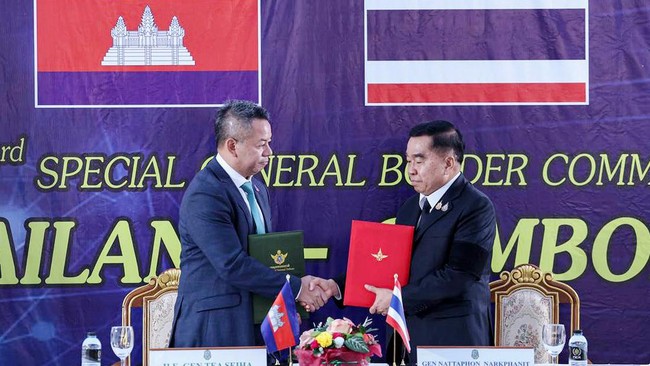
Tensions in Southeast Asia have resurfaced after Thailand accused Cambodia of deploying as many as 250 drones along their shared border, an act Thai authorities describe as a direct violation of an existing ceasefire agreement. The allegation has drawn regional attention, intensified diplomatic exchanges, and reignited concerns about stability in one of Southeast Asia’s most sensitive border regions.
Although both countries have previously emphasized dialogue and cooperation, the latest accusation signals a shift toward heightened suspicion. Moreover, the use of drones introduces new dimensions to border surveillance, military posturing, and regional security dynamics.
Background of the Thailand–Cambodia Border Dispute
Thailand and Cambodia share a long and complex border history. Over the decades, disagreements have emerged over territory, sovereignty, and historical claims. While both nations have resolved many disputes through diplomacy, certain border areas remain sensitive.
Previously, armed clashes near disputed zones prompted international mediation. Consequently, both governments agreed to ceasefires and confidence-building measures. These agreements aimed to reduce military presence and prevent escalation.
Therefore, any alleged violation immediately raises alarm.
The Allegation: 250 Drones at the Border
According to Thai military officials, surveillance systems detected approximately 250 unmanned aerial vehicles operating near or across the border. Thai authorities claim these drones conducted reconnaissance activities in areas covered by the ceasefire agreement.
Furthermore, officials argue that such large-scale drone deployment cannot occur accidentally. Instead, they believe the operation reflects coordinated intent.
As a result, Thailand formally accused Cambodia of breaching mutual commitments.
Why Drones Change the Nature of Border Tensions
Drones differ significantly from traditional military assets. They allow persistent surveillance without direct troop deployment. Consequently, they lower operational risks while increasing intelligence-gathering capacity.
However, drone use also complicates ceasefire enforcement. While ceasefires often restrict troop movements, they may not explicitly address unmanned systems.
Therefore, drones exist in a gray area that both countries must address.
Thailand’s Official Response
Thailand’s defense ministry responded swiftly. Officials summoned diplomatic representatives and requested clarification. Additionally, Thailand increased monitoring along the border to assess further activity.
While Thai leaders emphasized restraint, they also stressed national sovereignty. Consequently, they warned that continued drone activity could force stronger responses.
Thus, Thailand signaled seriousness without immediate escalation.
Cambodia’s Initial Reaction
Cambodian officials denied violating any ceasefire agreement. They argued that routine surveillance occurs within Cambodian territory and complies with national security requirements.
Moreover, Cambodian authorities suggested that Thailand misinterpreted drone movements. They emphasized the importance of dialogue rather than accusation.
Therefore, Cambodia positioned itself as cooperative while rejecting wrongdoing.
Ceasefire Agreements and Their Limitations
Ceasefire agreements aim to reduce violence and build trust. However, many agreements were negotiated before widespread drone usage.
As a result, these agreements often lack clear provisions regarding unmanned systems. Consequently, disputes arise when new technologies test old rules.
This case highlights the urgent need to update ceasefire frameworks.
Regional Security Implications
The allegation carries broader implications for Southeast Asia. Border disputes, when combined with advanced technology, risk rapid escalation.
Neighboring countries monitor the situation closely. They recognize that drone proliferation could destabilize other contested borders.
Therefore, regional organizations emphasize restraint and communication.
ASEAN’s Role in De-escalation
The Association of Southeast Asian Nations (ASEAN) has historically promoted peaceful conflict resolution. In previous Thailand–Cambodia disputes, ASEAN facilitated dialogue.
Now, observers expect ASEAN to encourage transparency and mediation. By fostering communication, ASEAN can prevent misunderstandings.
Thus, multilateral engagement remains critical.
Military Modernization in Southeast Asia
Both Thailand and Cambodia have modernized their military capabilities in recent years. Drones now play a central role in surveillance and defense planning.
However, modernization also increases complexity. When capabilities expand faster than regulations, tensions may rise.
Therefore, military modernization demands parallel diplomatic efforts.
Public Reaction in Thailand
In Thailand, public reaction ranged from concern to anger. Many citizens expressed worry about national security. Others urged calm and diplomacy.
Social media discussions emphasized sovereignty and technological preparedness. Consequently, public opinion influenced political messaging.
Thai leaders balanced reassurance with firmness.
Public Reaction in Cambodia
In Cambodia, reactions focused on defending national integrity. Citizens questioned Thailand’s claims and called for factual evidence.
Meanwhile, some commentators urged transparency to avoid escalation. Therefore, public discourse reflected both pride and caution.
National narratives diverged sharply.
Media Coverage and Narrative Framing
Media coverage in both countries framed the issue differently. Thai outlets emphasized violation and threat. Cambodian media highlighted misunderstanding and sovereignty.
These narratives shaped public perception. Consequently, information management became part of the conflict.
Balanced reporting remains essential.
Legal Perspectives on Drone Use
International law regarding drones remains evolving. While airspace sovereignty is recognized, enforcement challenges persist.
Ceasefire agreements often lack explicit drone provisions. Therefore, legal ambiguity fuels disputes.
Clarifying legal frameworks would reduce future conflicts.
Risk of Escalation
While drones reduce human risk, they increase misinterpretation risk. A malfunction or perceived intrusion could trigger retaliation.
Therefore, confidence-building measures become vital. Clear communication channels can prevent accidental escalation.
De-escalation remains the priority.
Diplomatic Channels and Backdoor Talks
Behind public statements, diplomats often engage privately. These backdoor talks aim to clarify intentions and prevent misunderstandings.
Sources suggest both sides maintain communication. Consequently, diplomacy continues despite public tension.
Such efforts often determine outcomes.
Economic Considerations
Border stability affects trade and tourism. Thailand and Cambodia maintain economic ties that depend on peaceful relations.
Escalation could disrupt cross-border commerce. Therefore, economic interests encourage restraint.
Pragmatism influences decision-making.
Lessons from Past Border Incidents
Past incidents demonstrate the value of restraint. When dialogue prevailed, violence subsided.
Conversely, miscommunication led to clashes. Therefore, historical lessons emphasize caution.
Learning from history remains essential.
The Technology Gap and Transparency
Drones introduce information asymmetry. One side may perceive surveillance as aggression, while the other views it as defense.
Transparency could reduce suspicion. Sharing monitoring data might build trust.
However, security concerns complicate openness.
International Reactions and Observers
International observers, including major powers, urged calm. They emphasized peaceful resolution and respect for agreements.
Global attention increases pressure on both governments to avoid escalation.
Thus, international scrutiny influences behavior.
The Role of Intelligence and Verification
Verification mechanisms help enforce ceasefires. Without shared verification, accusations persist.
Joint monitoring or third-party observation could help. Therefore, verification remains a potential solution.
Trust depends on evidence.
Military Ethics and Responsibility
Using advanced technology demands ethical responsibility. Surveillance should not provoke fear or instability.
Both sides must exercise restraint. Ethical conduct supports peace.
Responsibility accompanies capability.
Possible Scenarios Going Forward
Several scenarios may unfold. Diplomatic talks could defuse tensions. Alternatively, continued accusations could harden positions.
However, armed conflict remains unlikely if dialogue continues.
The future depends on communication.
Calls for Updating Ceasefire Agreements
Experts now urge updating ceasefire agreements to include drones and cyber capabilities.
Clear definitions would reduce ambiguity. Therefore, modernization of agreements becomes necessary.
Policy must evolve with technology.
Broader Implications for Border Management
This incident highlights challenges facing border management worldwide. Technology blurs traditional boundaries.
Countries must adapt governance mechanisms accordingly.
Adaptation ensures stability.
Human Impact of Border Tensions
Beyond politics, border tensions affect local communities. Farmers, traders, and residents experience uncertainty.
Maintaining peace protects livelihoods. Therefore, diplomacy serves human interests.
People bear the consequences.
Conclusion: A Test of Diplomacy in the Drone Era
In conclusion, Thailand’s accusation that Cambodia deployed 250 drones along the border underscores how modern technology reshapes traditional conflicts. While ceasefire agreements once focused on troops and weapons, drones now challenge existing norms.
Although tensions have risen, both countries continue to emphasize dialogue. Therefore, the situation represents a critical test of diplomacy in the drone era.
Ultimately, transparency, updated agreements, and regional cooperation will determine whether this incident escalates or becomes a catalyst for stronger peace mechanisms in Southeast Asia.