
Utara’DAILY: Sumatra Disaster Death Toll Rises: 1,177 Dead, 148 Missing
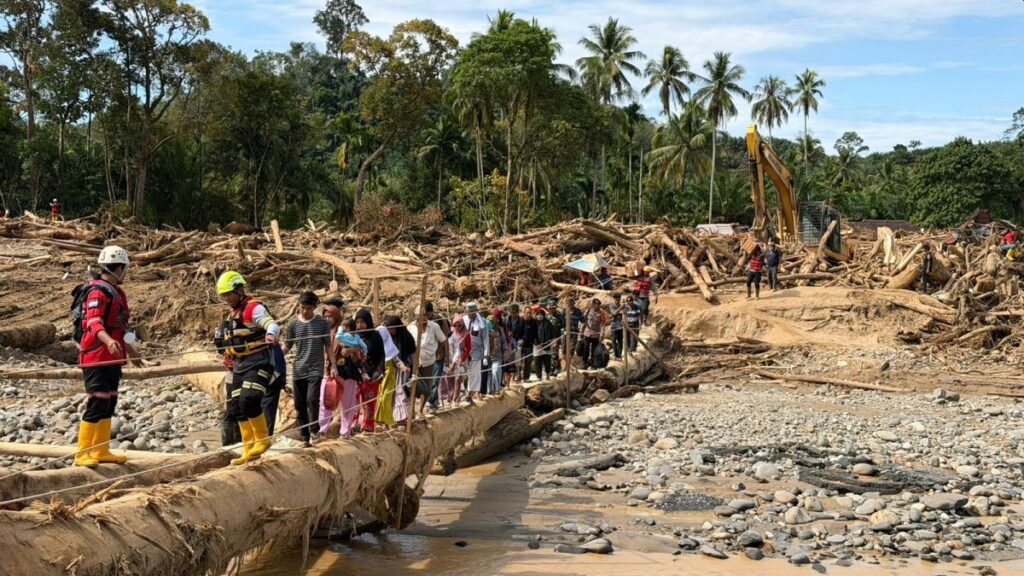
Indonesia is once again facing a profound humanitarian tragedy as the Sumatra disaster death toll continues to climb. Authorities have confirmed that at least 1,177 people have died, while 148 others remain missing, following a series of devastating natural disasters across several regions of Sumatra. As rescue teams battle time, terrain, and weather, the scale of destruction has shocked the nation and drawn global attention.
Meanwhile, communities struggle to recover from the catastrophic impacts, and the government mobilizes massive resources to manage what has become one of the deadliest disasters in Sumatra’s recent history.
A Tragedy Unfolds Across Sumatra
The disaster struck multiple provinces in Sumatra almost simultaneously. Torrential rainfall triggered massive floods and landslides, while swollen rivers overflowed into residential areas. Consequently, entire villages were submerged, roads collapsed, and critical infrastructure failed.
Moreover, mountainous regions suffered the most severe landslides. In many cases, soil and debris buried homes while residents slept, leaving little chance for escape.
Rising Death Toll Alarms Authorities
Initially, officials reported dozens of casualties. However, as search operations expanded, the number of confirmed deaths rose sharply. By the latest update, authorities verified 1,177 fatalities, marking a grim milestone.
At the same time, 148 people remain unaccounted for, fueling fears that the death toll may rise further. Therefore, rescue teams continue searching relentlessly despite deteriorating conditions.
Areas Worst Affected by the Disaster
Several regions bore the brunt of the catastrophe. Low-lying districts experienced prolonged flooding, while hillside communities faced repeated landslides.
In addition, remote villages became isolated after roads and bridges collapsed. Consequently, delivering aid proved extremely challenging during the early stages of the response.
Search and Rescue Operations Intensify
Indonesia’s National Search and Rescue Agency (Basarnas) immediately deployed thousands of personnel. Rescue teams used heavy equipment, drones, and trained dogs to locate survivors.
Nevertheless, unstable terrain and persistent rain slowed progress. Even so, rescuers worked around the clock, determined to save lives.
Stories of Survival Amid the Chaos
Despite the overwhelming devastation, stories of survival emerged. Some residents clung to rooftops for hours before help arrived. Others were pulled alive from debris days after the disaster.
These moments of hope provided emotional strength to rescuers and families alike. However, such rescues became increasingly rare as time passed.
Emergency Shelters and Humanitarian Aid
As thousands lost their homes, authorities established emergency shelters. Schools, mosques, and government buildings transformed into temporary housing.
Meanwhile, humanitarian organizations distributed food, clean water, medical supplies, and clothing. Therefore, immediate relief efforts focused on preventing secondary crises such as disease outbreaks.
Medical Teams Face Enormous Pressure
Hospitals in affected regions quickly became overwhelmed. Medical staff treated injuries ranging from fractures to severe infections.
Additionally, psychological trauma affected many survivors. As a result, mental health professionals joined medical teams to provide counseling and emotional support.
Infrastructure Damage Compounds the Crisis
The disaster severely damaged infrastructure across Sumatra. Roads cracked, bridges collapsed, and power supplies failed.
Consequently, communication disruptions complicated coordination efforts. Authorities worked urgently to restore access and ensure aid reached remote areas.
Government Declares Emergency Status
In response to the escalating crisis, the government declared a national emergency in several provinces. This decision allowed faster mobilization of resources and international cooperation.
Furthermore, the president ordered all relevant agencies to prioritize rescue, relief, and recovery.
Military and Police Support Operations
The Indonesian military and police played a crucial role in the response. Troops assisted with evacuations, logistics, and security.
Additionally, helicopters transported supplies and evacuated injured residents from isolated locations.
Weather Conditions Remain a Major Threat
Meteorological agencies warned that heavy rainfall could continue. Therefore, authorities feared additional landslides and flooding.
As a result, evacuation orders expanded to high-risk zones, even as many residents resisted leaving their homes.
Environmental Factors Behind the Disaster
Experts pointed to environmental degradation as a contributing factor. Deforestation and poor land management increased vulnerability to landslides and floods.
Therefore, environmental groups renewed calls for sustainable development and stronger conservation policies.
Impact on Children and Vulnerable Groups
Children, the elderly, and people with disabilities faced disproportionate risks. Many lost family members, homes, and access to education.
Consequently, aid agencies prioritized these groups for shelter, nutrition, and psychological care.
Community Solidarity and Volunteer Efforts
Across Indonesia, volunteers mobilized rapidly. Donations poured in from individuals, businesses, and civil society groups.
This nationwide solidarity demonstrated the strength of social bonds during times of crisis.
International Response and Condolences
The international community expressed condolences and offered assistance. Several countries pledged aid, technical support, and disaster response expertise.
Although Indonesia primarily relied on domestic resources, international cooperation remained an option.
Challenges in Identifying Victims
Identifying victims proved difficult due to the scale of destruction. Many bodies were recovered days after the disaster, complicating forensic efforts.
Authorities worked closely with families to ensure dignified identification and burial processes.
Managing the Missing Persons Crisis
Families of the missing waited anxiously for news. Officials established information centers to collect reports and provide updates.
However, uncertainty remained painful, especially as search operations continued.
Economic Impact of the Disaster
The disaster disrupted agriculture, trade, and transportation. Farmers lost crops, while markets closed indefinitely.
As a result, economic recovery will require long-term planning and investment.
Lessons from Previous Disasters
Indonesia’s history with natural disasters offers valuable lessons. Early warning systems, community preparedness, and land-use planning can reduce risks.
Therefore, experts emphasize learning from this tragedy to prevent future losses.
The Role of Climate Change
Scientists warn that climate change intensifies extreme weather events. Rising temperatures increase rainfall intensity, raising disaster risks.
Consequently, climate adaptation strategies become increasingly urgent.
Rebuilding Lives and Communities
Recovery will take years. Authorities plan to rebuild homes, infrastructure, and livelihoods while improving resilience.
Moreover, community involvement remains essential for sustainable recovery.
Mental Health and Long-Term Trauma
Survivors may face long-term psychological effects. Trauma counseling and community support programs will play critical roles.
Therefore, mental health must remain a priority during recovery.
Calls for Accountability and Reform
Civil society groups demand accountability regarding land management and disaster preparedness. They urge stronger enforcement of environmental laws.
Such reforms could reduce vulnerability in the future.
Media Coverage and Public Awareness
Extensive media coverage helped raise awareness and mobilize aid. However, responsible reporting remains crucial to avoid misinformation.
Therefore, accurate updates remain essential.
Hope Amid Devastation
Despite immense loss, communities show resilience. Neighbors support one another, and volunteers continue their efforts.
This resilience offers hope amid tragedy.
Conclusion: A National Tragedy That Demands Action
In conclusion, the Sumatra disaster death toll rising to 1,177 dead with 148 missing marks one of Indonesia’s darkest moments in recent years. While rescue operations continue, the tragedy underscores the urgent need for preparedness, environmental protection, and sustainable development.
Ultimately, honoring the victims means learning from this disaster and committing to meaningful change. Only through collective effort can Indonesia reduce the devastating impact of future natural disasters.