Utara’DAILY: Saudi Arabia to Hold Meeting in Riyadh to Address Yemen Conflict
Saudi Arabia has announced plans to host a high-level meeting in Riyadh to address the Yemen conflict, signaling renewed diplomatic momentum in one of the Middle East’s longest and most devastating crises. The meeting, which will bring together regional stakeholders and international partners, aims to explore political solutions, humanitarian access, and long-term stability for Yemen.
Moreover, the announcement reflects Saudi Arabia’s evolving approach to regional diplomacy. As geopolitical dynamics shift, Riyadh increasingly positions itself as a mediator rather than solely a military actor.
Renewed Diplomatic Push by Saudi Arabia
Saudi Arabia’s decision to convene talks in Riyadh marks a significant diplomatic step. Over the years, the Kingdom has played a central role in Yemen, both militarily and politically. However, recent developments suggest a stronger emphasis on dialogue.
Furthermore, Saudi officials have emphasized that military solutions alone cannot end the conflict. Therefore, diplomacy now takes center stage in Riyadh’s strategy.
Background of the Yemen Conflict
The Yemen conflict began in 2014 when Houthi forces took control of the capital, Sana’a. Shortly afterward, Saudi Arabia led a coalition supporting Yemen’s internationally recognized government.
As a result, the conflict escalated rapidly, drawing in regional and global actors. Consequently, Yemen plunged into a prolonged war with severe humanitarian consequences.
Humanitarian Crisis at the Core of Discussions
Yemen remains one of the world’s worst humanitarian crises. Millions face food insecurity, limited healthcare, and displacement.
Therefore, humanitarian access stands as a key agenda item in the Riyadh meeting. Saudi Arabia has indicated that easing aid delivery and protecting civilians will receive priority attention.
Objectives of the Riyadh Meeting
Saudi officials outlined several objectives for the upcoming meeting. These include:
- Reviving political negotiations
- Supporting ceasefire mechanisms
- Enhancing humanitarian cooperation
- Strengthening regional security
Moreover, the meeting aims to build trust among conflicting parties. As a result, dialogue may replace confrontation.
Expected Participants and Stakeholders
The meeting is expected to include Yemeni representatives, Gulf Cooperation Council (GCC) members, and international envoys.
Additionally, representatives from the United Nations and humanitarian organizations may attend. Therefore, the gathering reflects a multilateral approach rather than unilateral decision-making.
Saudi Arabia’s Changing Regional Strategy
In recent years, Saudi Arabia has recalibrated its foreign policy. The Kingdom now emphasizes diplomacy, economic diversification, and regional stability.
As part of this shift, Saudi Arabia has engaged in dialogue with former rivals. Consequently, hosting talks on Yemen aligns with this broader strategy.
Role of the United Nations
The United Nations continues to play a critical role in Yemen peace efforts. UN envoys have facilitated previous ceasefires and negotiations.
Furthermore, Saudi Arabia has expressed support for UN-led initiatives. Therefore, coordination between Riyadh and the UN remains essential.
Ceasefire Efforts and Challenges
Previous ceasefire attempts have reduced violence temporarily. However, sustaining these agreements has proven difficult.
As a result, the Riyadh meeting aims to address enforcement mechanisms and accountability. Stronger monitoring could improve compliance.
Regional Security Implications
The Yemen conflict directly affects regional security. Missile and drone attacks have crossed borders, raising tensions.
Therefore, Saudi Arabia views peace in Yemen as vital to Gulf stability. Addressing security concerns remains a central motivation.
Economic Impact of the Conflict
The war has devastated Yemen’s economy. Infrastructure damage, unemployment, and inflation have worsened living conditions.
Meanwhile, prolonged conflict also affects regional trade routes. Consequently, economic recovery features prominently in peace discussions.
Saudi Arabia’s Humanitarian Initiatives
Saudi Arabia has contributed billions in humanitarian aid to Yemen. Aid programs focus on food security, healthcare, and education.
Moreover, Riyadh emphasizes that political stability will enhance aid effectiveness. Therefore, diplomacy and humanitarian action go hand in hand.
International Community’s Reaction
The international community welcomed Saudi Arabia’s announcement. Several governments expressed hope that the meeting would advance peace.
Additionally, humanitarian groups urged all parties to prioritize civilian protection. As a result, expectations remain cautiously optimistic.
Challenges Facing the Riyadh Talks
Despite optimism, significant challenges remain. Deep mistrust among parties complicates negotiations.
Furthermore, fragmented political factions within Yemen add complexity. Therefore, mediators must navigate sensitive dynamics carefully.
The Role of Iran in the Conflict
Iran’s involvement in Yemen has long influenced regional dynamics. Saudi Arabia views Iranian support for the Houthis as destabilizing.
However, recent Saudi-Iran rapprochement may create space for de-escalation. Consequently, diplomatic channels could reduce proxy tensions.
Voices from Yemen
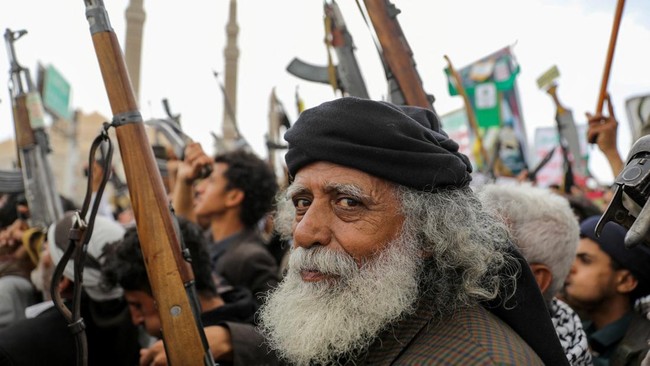
Yemeni civilians continue to bear the conflict’s burden. Many express fatigue and desperation for peace.
Therefore, incorporating Yemeni voices into negotiations remains crucial. Inclusive dialogue increases legitimacy and sustainability.
Media and Public Diplomacy
Saudi media framed the meeting as a step toward peace. International media highlighted its potential significance.
Moreover, transparent communication could build public trust. Consequently, information strategy plays an important role.
Lessons from Past Peace Talks
Previous peace talks offer valuable lessons. Agreements without enforcement mechanisms often fail.
As a result, the Riyadh meeting emphasizes implementation and verification. Practical steps may determine success.
Role of Gulf Cooperation Council (GCC)
The GCC has historically supported Yemen’s stability. Member states may contribute diplomatic and economic resources.
Furthermore, GCC unity strengthens negotiation leverage. Therefore, regional coordination remains important.
Security Guarantees and Confidence-Building Measures
Confidence-building measures may include prisoner exchanges, humanitarian corridors, and demilitarized zones.
These steps could reduce tensions and foster goodwill. Consequently, gradual progress becomes possible.
Economic Reconstruction and Development
Long-term peace requires economic reconstruction. Infrastructure rebuilding, job creation, and investment remain priorities.
Saudi Arabia has indicated willingness to support reconstruction. Therefore, economic incentives could encourage compromise.
Energy Security and Shipping Routes
Yemen’s location near vital shipping routes affects global energy markets. Instability threatens maritime security.
As a result, international stakeholders support peace efforts. Stability benefits global trade and energy flows.
Saudi Arabia’s Vision 2030 and Regional Stability
Saudi Arabia’s Vision 2030 emphasizes regional stability to support economic transformation.
Therefore, resolving conflicts like Yemen aligns with domestic development goals. Peace enhances investor confidence and growth.
Diplomatic Timing and Global Context
The timing of the Riyadh meeting reflects broader geopolitical shifts. Global powers increasingly encourage regional solutions.
Moreover, diplomatic fatigue pushes actors toward compromise. Consequently, momentum for talks appears stronger.
Expectations Versus Reality
While expectations remain high, outcomes depend on political will. Negotiations may progress slowly.
However, even incremental steps matter. Therefore, patience and persistence remain essential.
Role of Civil Society and NGOs
Civil society organizations provide grassroots perspectives. NGOs highlight humanitarian priorities.
Including these voices strengthens peace frameworks. Consequently, broader participation improves outcomes.
Monitoring and Accountability Mechanisms
Effective monitoring ensures compliance with agreements. Independent verification builds trust.
Saudi Arabia may support international monitoring frameworks. Therefore, accountability remains a focus.
Potential Outcomes of the Riyadh Meeting
Possible outcomes include renewed ceasefires, humanitarian agreements, and negotiation roadmaps.
Even symbolic gestures could reduce violence. Consequently, small gains still represent progress.
Risks of Failure
Failure could prolong suffering and instability. Missed opportunities deepen mistrust.
Therefore, stakeholders recognize the urgency. Diplomatic engagement remains the best alternative.
Regional Diplomacy Beyond Yemen
Success in Yemen could influence other regional conflicts. Diplomatic models may inspire similar efforts.
Thus, the Riyadh meeting carries broader implications.
International Law and Conflict Resolution
International law provides frameworks for peace. Respecting sovereignty and humanitarian principles remains essential.
Saudi Arabia has emphasized legal and diplomatic norms. Therefore, legitimacy underpins negotiations.
Public Opinion in Saudi Arabia
Saudi public opinion increasingly favors diplomatic solutions. Prolonged conflict strains resources and security.
Thus, domestic support reinforces Riyadh’s diplomatic approach.
Conclusion: A Crucial Moment for Peace
In conclusion, Saudi Arabia’s decision to hold a meeting in Riyadh to address the Yemen conflict represents a crucial diplomatic moment. By prioritizing dialogue, humanitarian concerns, and regional stability, the Kingdom signals a shift toward sustainable solutions.
Although challenges remain, renewed engagement offers hope. If stakeholders commit to compromise and cooperation, the Riyadh meeting could mark a turning point toward peace in Yemen.