
Pope Leo XIV Calls for Global Ceasefire at Christmas
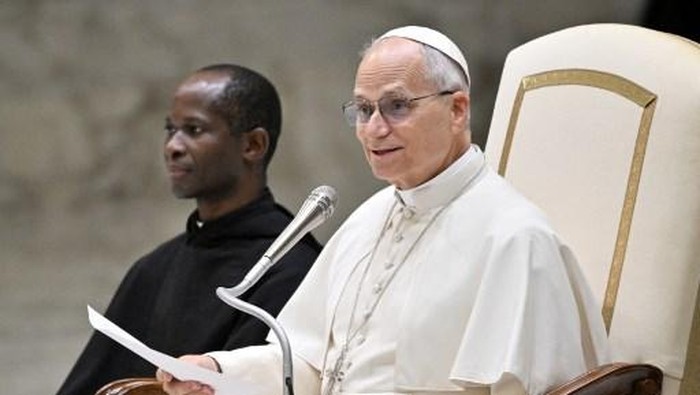
A Christmas Message Addressing a World in Crisis
Pope Leo XIV has issued a powerful appeal for a global ceasefire at Christmas, calling on world leaders and armed groups to lay down their weapons and prioritize peace. Speaking during a solemn Christmas address, the Pope emphasized the urgent need for humanity to pause violence and rediscover compassion.
Moreover, his message resonated far beyond religious audiences. At a time when conflicts continue to claim civilian lives across multiple regions, the Pope’s call served as a moral reminder that peace remains possible even amid deep divisions.
As global tensions escalate, this appeal has drawn international attention and renewed debate about the role of moral leadership in times of war.
The Symbolism of Christmas in Calls for Peace
Christmas carries profound symbolic meaning as a season of hope, reconciliation, and renewal. Therefore, Pope Leo XIV deliberately chose this moment to amplify his call for peace.
Historically, Christmas has inspired temporary ceasefires, most notably during World War I. By referencing this tradition, the Pope appealed to a shared human conscience that transcends politics and borders.
Consequently, his message framed peace not as an abstract ideal but as a practical and immediate responsibility.
Pope Leo XIV’s Vision of Peace
Pope Leo XIV consistently emphasizes dialogue, empathy, and solidarity in his teachings. In his Christmas message, he reiterated that peace begins with recognizing the dignity of every human life.
Rather than assigning blame, he focused on shared responsibility. He urged leaders to listen to the cries of civilians, especially children and the elderly, who suffer most during armed conflicts.
Through this approach, the Pope reinforced the idea that peace requires collective moral courage.
A World Marked by Ongoing Conflicts
The Pope’s appeal comes amid widespread global unrest. Conflicts persist in various regions, displacing millions and destabilizing entire communities.
Furthermore, humanitarian agencies warn of worsening conditions as winter intensifies suffering in conflict zones. Food shortages, medical crises, and forced migration continue to escalate.
Against this backdrop, the Pope’s call highlighted the human cost of prolonged violence and the urgency of immediate action.
Protecting Civilians at the Heart of the Appeal
Central to Pope Leo XIV’s message was the protection of civilians. He stressed that modern warfare increasingly targets non-combatants, either directly or indirectly.
Therefore, he urged all parties to respect international humanitarian law. He also called for safe corridors to deliver aid and evacuate vulnerable populations.
By centering civilians, the Pope framed peace as a humanitarian imperative rather than a political concession.
Moral Authority and Global Influence
Although the Pope holds no military or political power, his moral authority carries significant influence. His words often shape public discourse and inspire grassroots movements.
Moreover, world leaders frequently acknowledge papal statements, even when they disagree. As a result, the Pope’s appeal contributes to diplomatic pressure and public expectation.
This influence underscores the enduring role of moral leadership in global affairs.
Reactions from the International Community
Reactions to the Pope’s call have varied. Several governments publicly welcomed the message and expressed support for peace initiatives.
Meanwhile, humanitarian organizations praised the appeal, noting its potential to refocus attention on civilian suffering. Religious leaders from other faiths also echoed similar sentiments.
However, some analysts cautioned that translating moral appeals into concrete ceasefires remains challenging.
The Role of Faith in Peacebuilding
Faith-based diplomacy has long played a role in conflict resolution. Religious leaders often act as mediators or advocates for dialogue.
Pope Leo XIV’s appeal reinforces this tradition. By invoking shared values, he aimed to bridge divides that politics alone cannot overcome.
Thus, faith becomes a complementary force to diplomatic and humanitarian efforts.
Challenges to Achieving a Global Ceasefire
Despite widespread support, achieving a global ceasefire faces significant obstacles. Conflicts involve complex political, territorial, and ideological factors.
Additionally, fragmented armed groups often operate independently, complicating coordination. Trust deficits further hinder negotiations.
Nevertheless, the Pope acknowledged these challenges while insisting that difficulty does not excuse inaction.
Historical Precedents for Christmas Ceasefires
History provides examples of temporary truces during Christmas. The 1914 Christmas Truce remains the most famous, when soldiers briefly stopped fighting.
Although rare, such moments demonstrate that humanity can prevail even in wartime. Pope Leo XIV referenced this legacy to inspire hope.
These precedents remind the world that peace, however fragile, remains achievable.
The Humanitarian Impact of Even Temporary Ceasefires
Even short ceasefires can save lives. They allow aid delivery, medical treatment, and family reunification.
Therefore, the Pope encouraged at least temporary pauses in fighting. Such pauses, he argued, can build momentum toward longer-term peace.
Humanitarian agencies support this view, emphasizing practical benefits alongside moral considerations.
Global Media Coverage and Public Response
Media outlets worldwide covered the Pope’s message extensively. Social media amplified the appeal, sparking discussions across cultures and political lines.
Many individuals expressed solidarity, while others debated the feasibility of the proposal. Nevertheless, the conversation itself demonstrated the message’s reach.
In this way, the appeal succeeded in drawing global attention to peace.
The Vatican’s Diplomatic Role
The Vatican maintains diplomatic relations with numerous countries. Through this network, it often facilitates dialogue behind the scenes.
Pope Leo XIV’s call aligns with the Vatican’s long-standing emphasis on peaceful resolution. While not a mediator in every conflict, the Vatican frequently supports negotiation efforts.
This diplomatic dimension adds weight to the Pope’s public statements.
Youth and the Future of Peace
In his message, Pope Leo XIV addressed young people directly. He encouraged them to reject hatred and build cultures of peace.
By engaging youth, the Pope emphasized long-term change. Education, empathy, and dialogue shape future generations.
Thus, peace becomes not only a present goal but also a future commitment.
Ethical Dimensions of Modern Warfare
Modern conflicts raise complex ethical questions. Advanced weaponry increases destruction while distancing decision-makers from consequences.
The Pope criticized this detachment, urging leaders to confront the human impact of their choices. He called for ethical reflection alongside strategic planning.
This perspective challenges purely military approaches to security.
A Call to Political Leaders
Pope Leo XIV addressed political leaders directly, urging them to choose dialogue over escalation. He emphasized that leadership involves responsibility for human life.
Rather than condemning specific governments, he appealed to conscience. This inclusive approach sought to open channels rather than close them.
Such language reflects diplomatic sensitivity while maintaining moral clarity.
Interfaith Support for the Ceasefire Call
Leaders from various religious traditions expressed support for the Pope’s appeal. Interfaith solidarity strengthened the message’s universality.
By standing together, religious communities reinforced the idea that peace transcends doctrinal differences.
This unity amplifies moral pressure on decision-makers.
Skepticism and Realism in Public Debate
Some critics view global ceasefire calls as symbolic rather than practical. They argue that entrenched conflicts require political solutions.
However, supporters counter that symbolism matters. Moral appeals can shift public opinion and create space for negotiation.
The debate itself highlights differing views on how peace emerges.
The Power of Words in Times of War
Words alone do not end wars. However, they can influence hearts, minds, and priorities.
Pope Leo XIV’s Christmas message demonstrates this power. By articulating a vision of peace, he challenged normalization of violence.
In doing so, he reminded the world that silence also carries consequences.
Hope as a Strategic Resource
Hope often appears intangible, yet it motivates action. The Pope framed hope as an active force that inspires courage and cooperation.
During Christmas, this message resonates deeply. Hope counters despair and encourages perseverance.
Therefore, hope becomes a strategic resource in peacebuilding.
What Comes After the Call
Following the appeal, attention turns to action. Will leaders respond with gestures of de-escalation? Will humanitarian corridors expand?
While outcomes remain uncertain, the call establishes a moral benchmark. Future actions will be measured against it.
Thus, the appeal shapes expectations even if immediate results vary.
Utara’DAILY’s Editorial Perspective
Utara’DAILY views Pope Leo XIV’s call as a significant moral intervention. Responsible journalism requires presenting such appeals with context and balance.
By analyzing implications rather than amplifying rhetoric, we aim to inform readers meaningfully.
Peace-related discourse deserves thoughtful and respectful coverage.
Conclusion: A Christmas Appeal to Humanity
Pope Leo XIV’s call for a global ceasefire at Christmas stands as a powerful reminder of shared humanity. In a world divided by conflict, his message urges reflection, restraint, and renewal.
While challenges remain, the appeal reinforces timeless values: compassion, dignity, and peace. Whether temporary or transformative, such calls matter.
Ultimately, the Pope’s message invites the world to pause, listen, and choose humanity over violence—especially at Christmas.