Utara’DAILY: Phu Quoc Predicted to Become a Top Southeast Asian Tourist Destination
default
Phu Quoc, Vietnam’s largest island, is rapidly emerging as one of Southeast Asia’s most promising tourist destinations. As global travel rebounds and regional tourism evolves, experts increasingly predict that Phu Quoc will soon stand alongside Bali, Phuket, and Boracay. Moreover, strategic investments, natural beauty, and government support continue to accelerate its rise.
Consequently, Phu Quoc no longer represents a hidden gem. Instead, it now symbolizes Vietnam’s ambition to dominate regional tourism through innovation, sustainability, and global appeal.
A Rising Star in Southeast Asian Tourism
Over the past decade, Phu Quoc has transformed dramatically. Once known primarily among backpackers, the island now attracts luxury travelers, families, and international investors. Furthermore, improved accessibility has reshaped visitor perceptions.
As a result, tourism analysts increasingly recognize Phu Quoc as a destination capable of competing on a global scale.
Strategic Location and Natural Advantages
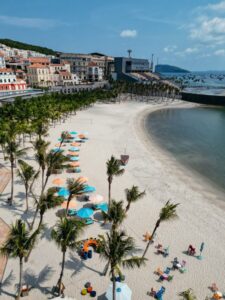
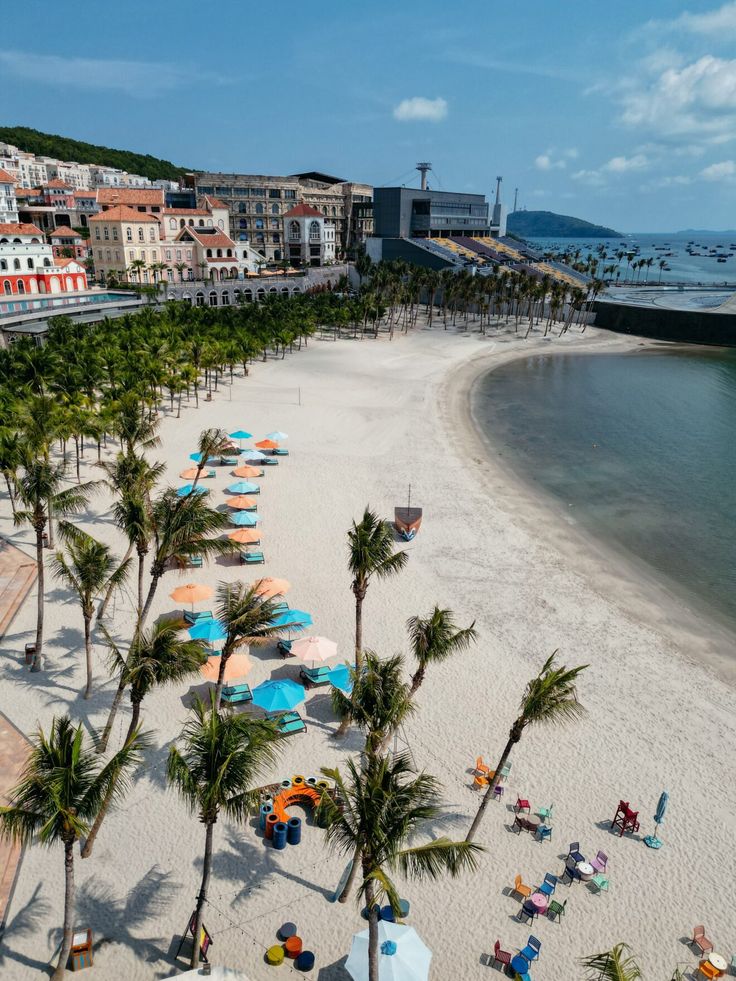
Phu Quoc’s strategic position in the Gulf of Thailand provides a unique advantage. The island boasts pristine beaches, turquoise waters, and lush tropical forests. In addition, its climate supports year-round tourism.
Because of these natural assets, developers and policymakers identified Phu Quoc early as a cornerstone of Vietnam’s tourism strategy.
Infrastructure Development Drives Growth
Infrastructure development has played a crucial role in Phu Quoc’s rise. The expansion of Phu Quoc International Airport significantly increased direct international flights. Consequently, travelers from Asia, Europe, and Australia can now reach the island more easily.
Moreover, upgraded roads, ports, and utilities improved overall visitor experiences. Therefore, accessibility no longer limits Phu Quoc’s tourism potential.
Government Support and Investment Incentives
Vietnam’s government designated Phu Quoc as a special economic zone, offering incentives for investors. These policies encouraged hotel chains, entertainment companies, and tourism operators to establish a presence.
Additionally, streamlined visa policies, including visa-free entry for many nationalities, further boosted arrivals. As a result, Phu Quoc became increasingly attractive to global travelers.
Luxury Resorts and World-Class Hospitality
Luxury hospitality has become a defining feature of Phu Quoc. International brands such as Marriott, Accor, and InterContinental developed high-end resorts across the island.
Furthermore, these resorts introduced global service standards while embracing local culture. Consequently, Phu Quoc successfully balances luxury with authenticity.
Sustainable Tourism as a Core Strategy
Unlike many overdeveloped destinations, Phu Quoc emphasizes sustainable tourism. Authorities enforce environmental regulations to protect coral reefs, forests, and marine ecosystems.
Moreover, eco-resorts and community-based tourism initiatives gained popularity. Therefore, sustainability enhances Phu Quoc’s long-term appeal rather than limiting growth.
Cultural Heritage and Local Experiences
Beyond beaches, Phu Quoc offers rich cultural experiences. Visitors explore traditional fishing villages, pepper farms, and pearl cultivation centers.
Additionally, local cuisine attracts food enthusiasts seeking authentic Vietnamese flavors. As a result, cultural immersion complements leisure tourism.
Entertainment and Attractions Expansion
Phu Quoc continues to diversify its attractions. Theme parks, cable car systems, and entertainment complexes attract families and younger travelers.
For example, the Hon Thom cable car, one of the world’s longest over-sea cable cars, became an iconic attraction. Consequently, the island appeals to broader demographics.
Competitive Edge Over Regional Rivals
Compared to established destinations like Bali or Phuket, Phu Quoc offers relatively lower costs and less congestion. Furthermore, newer infrastructure enhances comfort and convenience.
Therefore, travelers seeking premium experiences without overcrowding increasingly choose Phu Quoc.
The Role of Digital Promotion
Digital marketing significantly boosted Phu Quoc’s visibility. Influencers, travel bloggers, and international media showcased the island’s transformation.
Moreover, social media campaigns highlighted luxury resorts, sunsets, and cultural events. As a result, global awareness increased rapidly.
Growing International Visitor Numbers
International arrivals to Phu Quoc have grown consistently. Markets such as South Korea, China, Europe, and Australia show strong interest.
Additionally, airlines continue to add routes due to rising demand. Consequently, connectivity supports sustained tourism growth.
Domestic Tourism as a Foundation
Domestic tourism also plays a vital role. Vietnamese travelers increasingly choose Phu Quoc for holidays and celebrations.
Because domestic demand remains strong, the island benefits from year-round visitor flows. Therefore, reliance on international markets remains balanced.
Real Estate and Tourism Investment Boom
Tourism growth triggered a real estate boom. Resorts, villas, and mixed-use developments expanded rapidly.
However, authorities regulate development to avoid uncontrolled expansion. As a result, investment growth aligns with sustainability goals.
Environmental Challenges and Solutions
Despite success, Phu Quoc faces environmental challenges. Increased tourism pressures waste management and marine ecosystems.
Nevertheless, local authorities implement recycling programs and marine conservation projects. Consequently, proactive measures aim to preserve natural beauty.
Community Involvement in Tourism
Community participation remains essential. Local residents engage in tourism through homestays, crafts, and guided tours.
Furthermore, community-based initiatives ensure economic benefits reach local populations. Therefore, inclusive growth strengthens social sustainability.
Culinary Tourism and Local Identity
Phu Quoc’s cuisine enhances its destination appeal. Seafood dishes, fish sauce production, and night markets attract culinary tourists.
Moreover, gastronomy reflects local identity and tradition. As a result, food experiences become memorable highlights.
Phu Quoc as a Wellness Destination
Wellness tourism grows rapidly in Phu Quoc. Luxury spas, yoga retreats, and wellness resorts cater to health-conscious travelers.
Additionally, tranquil natural settings support relaxation and recovery. Consequently, wellness tourism diversifies visitor segments.
Events and International Exposure
International events, festivals, and conferences increase Phu Quoc’s exposure. These events attract business travelers and media coverage.
Furthermore, hosting global events strengthens the island’s reputation. Therefore, events marketing supports tourism branding.
Technology and Smart Tourism Initiatives
Phu Quoc adopts smart tourism technologies. Digital ticketing, smart transportation, and online visitor services improve efficiency.
Moreover, data-driven planning enhances visitor management. Consequently, technology supports sustainable growth.
Safety and Political Stability
Vietnam’s political stability and safety reputation benefit tourism. Travelers value destinations offering security and reliability.
As a result, Phu Quoc gains trust among international visitors seeking worry-free travel.
Climate and Year-Round Appeal
Phu Quoc’s climate allows year-round tourism, unlike destinations with extreme seasonal variations.
Therefore, consistent visitor flows support businesses and employment. This stability strengthens the tourism economy.
Comparison with Other Emerging Destinations
Compared to emerging destinations in Southeast Asia, Phu Quoc offers a balanced mix of luxury, nature, and culture.
Additionally, government coordination enhances planning effectiveness. Consequently, Phu Quoc stands out among competitors.
Airline Partnerships and Connectivity
Airline partnerships significantly influence growth. Direct flights from major cities reduce travel time and costs.
Moreover, increased frequency improves accessibility. Therefore, air connectivity remains a strategic priority.
Media Recognition and Awards
Phu Quoc increasingly receives international awards for beaches, resorts, and destinations.
Such recognition reinforces credibility and attracts new visitors. As a result, awards enhance brand perception.
Tourism Workforce Development
Training programs improve service quality. Hospitality schools and partnerships with global brands enhance skills.
Consequently, workforce development supports long-term competitiveness.
Long-Term Vision for Phu Quoc
Vietnam envisions Phu Quoc as a world-class tourism hub. Strategic planning prioritizes sustainability, quality, and innovation.
Therefore, long-term vision guides policy and investment decisions.
Risks and Mitigation Strategies
Potential risks include overdevelopment and environmental degradation. However, authorities implement zoning and monitoring systems.
As a result, risk management remains integral to planning.
Global Travel Trends Favor Phu Quoc
Global trends favor destinations offering space, nature, and authenticity. Phu Quoc aligns perfectly with these preferences.
Therefore, future demand appears strong.
Expert Predictions and Market Outlook
Tourism experts predict steady growth over the next decade. Investment confidence remains high.
Moreover, diversified tourism products reduce vulnerability. Consequently, Phu Quoc’s outlook remains positive.
Conclusion: Phu Quoc’s Ascent to Regional Prominence
In conclusion, Phu Quoc is widely predicted to become a top Southeast Asian tourist destination. Strategic location, government support, luxury development, and sustainability initiatives drive its rise.
While challenges remain, proactive management and long-term vision position Phu Quoc for sustained success. As travelers seek new yet refined destinations, Phu Quoc stands ready to claim its place among Southeast Asia’s elite tourism hubs.