Cooking Oil Prices Triple, Iranian Government Unable to Cope with Economic Crisis
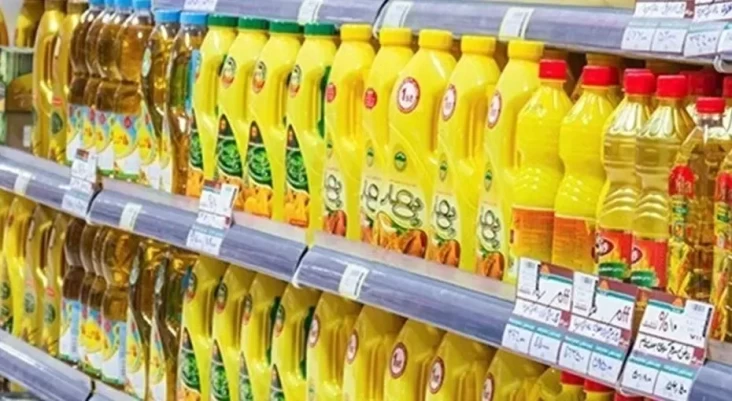
A Staple Turns Into a Luxury
Cooking oil, once an affordable and essential household product in Iran, has rapidly transformed into a symbol of economic distress. Over the past months, prices for cooking oil have tripled across major cities and rural areas alike. Consequently, millions of Iranian families now struggle to afford a basic necessity that once anchored daily meals.
Moreover, the sudden surge has sparked public anger, intensified economic anxiety, and raised serious questions about the government’s capacity to manage a deepening crisis. While officials attempt to reassure citizens, market realities tell a different story. Inflation continues to rise, purchasing power keeps shrinking, and food insecurity spreads further each week.
Therefore, the cooking oil crisis has become more than a price fluctuation. Instead, it reflects broader systemic failures affecting Iran’s economy, governance, and social stability.
The Scale of the Price Surge
Across Tehran, Isfahan, Mashhad, and smaller provinces, cooking oil prices have increased by more than 200 percent in less than a year. Previously subsidized brands disappeared from shelves almost overnight. Meanwhile, imported alternatives now cost several times the average daily wage.
As a result, many households ration oil usage or substitute it with less healthy alternatives. Additionally, small restaurants, street vendors, and bakeries face rising production costs, forcing them to increase prices or close entirely.
Furthermore, market inspections reveal inconsistent pricing, hoarding, and black-market sales. Although authorities promise crackdowns, enforcement remains weak. Consequently, consumers feel abandoned in a system that no longer protects them.
Inflation Spirals Beyond Control
Cooking oil prices do not rise in isolation. Instead, they mirror Iran’s broader inflationary spiral. Official statistics acknowledge inflation above 40 percent, yet independent estimates suggest it may exceed 60 percent for food items.
Moreover, wages fail to keep pace with price increases. As salaries stagnate, purchasing power collapses. Families now allocate most of their income to food alone, leaving little for housing, healthcare, or education.
Therefore, the oil price surge accelerates an already dangerous cycle. Higher food prices fuel social unrest, which in turn destabilizes markets further.
The Role of Sanctions and Currency Collapse
International sanctions play a significant role in Iran’s economic distress. Restrictions on banking, trade, and oil exports continue to limit foreign currency inflows. Consequently, the Iranian rial keeps losing value against major currencies.
As the rial weakens, imports become more expensive. Since Iran relies heavily on imported raw materials for cooking oil production, costs rise rapidly. Furthermore, currency volatility discourages suppliers from maintaining stable pricing.
However, sanctions alone do not explain the crisis. Internal mismanagement magnifies every external shock.
Subsidy Reforms That Backfired
In recent years, the Iranian government restructured its subsidy system, aiming to reduce fiscal pressure. While officials promised targeted assistance, implementation failed to protect vulnerable populations.
Subsidized cooking oil vanished from stores before alternative support reached consumers. As a result, middle- and lower-income households absorbed the full impact of market prices.
Additionally, cash assistance programs proved insufficient. Payments often arrived late or failed to cover rising costs. Therefore, public trust eroded rapidly.
Government Response: Too Little, Too Late
Iranian officials regularly announce emergency measures, including price controls and increased imports. Nevertheless, these actions rarely translate into lasting relief.
For example, authorities set official price ceilings, yet enforcement remains inconsistent. Retailers either ignore regulations or sell limited quantities. Meanwhile, warehouses allegedly stockpile goods in anticipation of further price hikes.
Moreover, government messaging often contradicts market realities. While officials claim stability, citizens experience daily hardship. Consequently, credibility continues to decline.
Social Impact on Iranian Households
The cooking oil crisis deeply affects daily life. Families reduce portion sizes, skip meals, or eliminate traditional dishes that require oil. Nutrition suffers, especially among children and the elderly.
Furthermore, social inequality widens. Wealthier households adapt, while poorer families face chronic food insecurity. This disparity fuels resentment and social tension.
In addition, women—often responsible for household budgeting—carry a disproportionate burden. They must stretch limited resources while managing family expectations.
Small Businesses Under Pressure
Restaurants, food stalls, and bakeries form the backbone of Iran’s informal economy. Rising oil prices drastically increase operational costs. Consequently, many businesses either raise prices or shut down.
As closures multiply, unemployment rises. Workers lose income, further reducing consumer spending. Therefore, the crisis spreads from households to the broader economy.
Public Anger and Growing Protests
Economic hardship increasingly fuels public demonstrations. Citizens protest not only high prices but also perceived corruption and incompetence.
Although authorities suppress many protests, underlying frustration continues to build. Cooking oil shortages become rallying points because they directly affect daily survival.
Moreover, social media amplifies public outrage. Images of empty shelves and price tags circulate widely, undermining official narratives.
Corruption and Distribution Failures
Corruption further complicates the crisis. Reports suggest that subsidized goods often divert to black markets or favored distributors.
Additionally, weak oversight enables profiteering. As a result, honest retailers struggle while speculators thrive.
Without transparency, citizens lose faith in institutions. Therefore, economic recovery becomes even harder.
Regional Comparisons Highlight Iran’s Struggle
While global food prices have risen, Iran’s situation stands out. Neighboring countries experience inflation, yet none face similar shortages or volatility in cooking oil markets.
This contrast underscores domestic policy failures. Other nations mitigate shocks through reserves, subsidies, or diversified supply chains. Iran, however, lacks flexibility due to isolation and mismanagement.
Long-Term Consequences for Food Security
If current trends continue, Iran risks long-term food insecurity. Cooking oil shortages may extend to other staples, including flour, rice, and sugar.
Furthermore, reliance on imports increases vulnerability. Without economic reform, future shocks will hit harder.
Therefore, experts warn that the crisis demands structural solutions rather than temporary fixes.
What Needs to Change
Economic analysts emphasize several urgent steps:
- Restore transparency in subsidy distribution
- Stabilize the currency through fiscal discipline
- Support domestic production of food staples
- Strengthen social safety nets
- Rebuild public trust through honest communication
However, political will remains uncertain. Without reform, prices may continue rising.
The Human Cost Behind the Numbers
Statistics often obscure real suffering. Behind every price increase lies a family forced to choose between food and medicine.
Moreover, prolonged hardship damages mental health, social cohesion, and national morale. Cooking oil, though seemingly mundane, symbolizes dignity and stability.
When people cannot afford basic necessities, hope erodes quickly.
Conclusion: A Crisis That Demands Accountability
The tripling of cooking oil prices reveals the depth of Iran’s economic crisis. While external pressures matter, internal failures drive much of the suffering.
Until authorities address inflation, corruption, and governance issues, price controls alone will fail. Therefore, the crisis will persist unless meaningful reform occurs.
Ultimately, the cooking oil crisis serves as a warning. An economy cannot function when basic needs become luxuries. Without decisive action, hardship will continue to define daily life for millions of Iranians.