Thousands of People Crowd the Sudirman–Thamrin Area at the First CFD of 2026
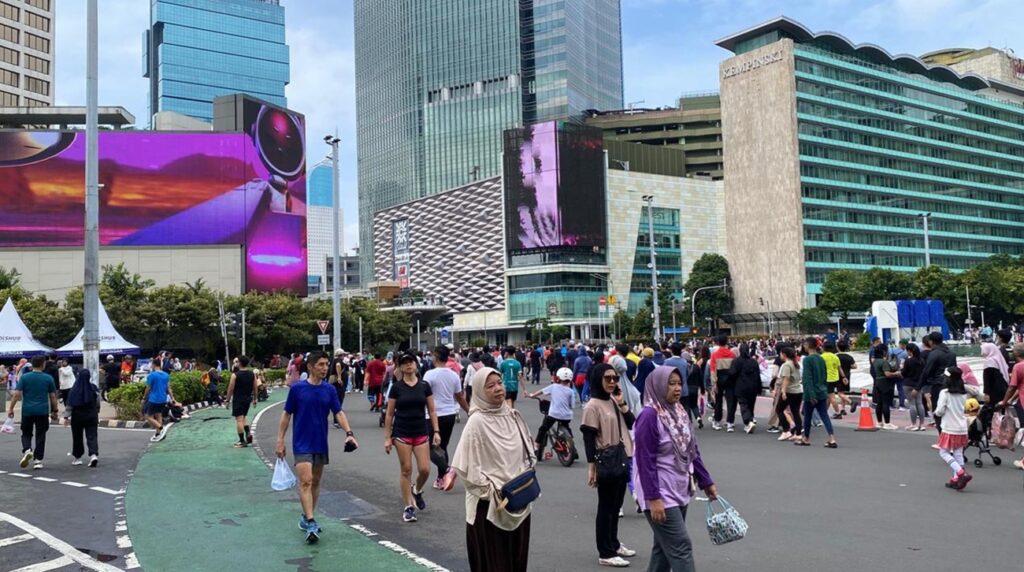
Jakarta welcomed 2026 with an energetic and colorful public celebration as thousands of people flooded the Sudirman–Thamrin corridor during the first Car Free Day (CFD) of the year. From early morning, residents gathered in massive numbers, transforming the capital’s busiest business district into a vibrant space for sports, social interaction, and cultural expression.
As a result, the event not only marked a healthy start to the new year but also reaffirmed CFD’s role as a symbol of urban renewal, environmental awareness, and community spirit in Indonesia’s capital.
A Lively Morning in the Heart of Jakarta
From as early as 5:30 a.m., the Sudirman–Thamrin area buzzed with excitement. Joggers, cyclists, families, and fitness communities arrived in waves. Consequently, sidewalks and main roads quickly filled with people enjoying the rare freedom of car-free streets.
Moreover, the absence of traffic noise allowed conversations, music, and laughter to dominate the atmosphere. This shift created a striking contrast to the area’s usual weekday congestion.
What Is Car Free Day (CFD)?
Car Free Day is a weekly program that temporarily closes major roads to motor vehicles. Jakarta introduced CFD to reduce air pollution, promote healthy lifestyles, and encourage public use of urban spaces.
Over time, CFD evolved into more than just an environmental initiative. Instead, it became a social phenomenon that brings together people from diverse backgrounds.
Why the First CFD of 2026 Felt Special
The first CFD of 2026 carried symbolic significance. Many residents viewed it as a fresh beginning after a demanding year. Therefore, participation surged well beyond average attendance.
Additionally, the pleasant morning weather encouraged people to stay longer and engage in various activities. As a result, the Sudirman–Thamrin corridor remained crowded until late morning.
Activities That Dominated the Event
Throughout the area, participants enjoyed a wide range of activities, including:
- Jogging and brisk walking
- Cycling and rollerblading
- Group aerobics and Zumba sessions
- Yoga and stretching classes
- Street performances and live music
Consequently, the CFD transformed into an open-air wellness festival.
Families and Children Take Center Stage
Families with children formed a significant portion of attendees. Parents introduced their children to cycling, while others enjoyed simple walks together.
Moreover, children’s laughter and play added warmth to the event. Therefore, CFD reinforced its image as a family-friendly urban tradition.
Street Vendors and Local Businesses Thrive
Local street vendors lined designated areas, selling snacks, drinks, and breakfast options. From traditional Indonesian food to modern beverages, choices were abundant.
As a result, small businesses benefited directly from the massive turnout. This economic activity highlighted CFD’s role in supporting grassroots livelihoods.
Fitness Communities Show Strong Presence
Fitness groups arrived in uniform attire, proudly representing their communities. Running clubs, cycling teams, and wellness groups organized activities together.
Consequently, CFD strengthened social bonds and motivated newcomers to adopt healthier routines.
Youth and Creative Expression
Young people used the event as a platform for creativity. Some performed street dances, while others showcased musical talents or fashion styles.
Additionally, social media influencers documented the crowd, further amplifying the event’s reach online.
Environmental Awareness on Display
Environmental groups used the CFD to promote sustainability. Volunteers distributed information on recycling, waste reduction, and clean energy.
Therefore, the event reinforced its original environmental mission while remaining engaging.
Improved Air Quality During CFD
With vehicles restricted, air quality noticeably improved. Many participants commented on the fresher air and reduced noise pollution.
Consequently, CFD demonstrated how urban planning choices can positively affect daily life.
Security and Crowd Management
Authorities deployed officers and volunteers to manage crowds and ensure safety. Clear signage and organized routes helped maintain order.
As a result, the event proceeded smoothly without major incidents.
Public Transportation Supports the Event
Jakarta’s public transportation system played a vital role. MRT, TransJakarta, and commuter trains operated smoothly, enabling easy access.
Therefore, the event highlighted the importance of integrated transport systems.
Voices from Participants
Many participants expressed joy and optimism. Some described CFD as their favorite weekly routine, while others said the first CFD of 2026 felt unusually energetic.
Consequently, public sentiment reflected renewed enthusiasm for shared urban spaces.
Social Media Buzz and Digital Impact
Photos and videos from the event quickly trended on social media. Hashtags related to CFD and Sudirman–Thamrin gained traction.
As a result, the event reached audiences beyond Jakarta.
CFD as a Tool for Urban Identity
CFD has become part of Jakarta’s identity. It represents openness, diversity, and collective responsibility.
Therefore, events like the first CFD of 2026 strengthen civic pride.
Challenges of Managing Massive Crowds
Despite success, challenges remain. Overcrowding occasionally limited movement, and waste management required constant attention.
However, organizers responded quickly to maintain cleanliness.
Economic Ripple Effects
Beyond street vendors, nearby cafes and shops reported increased foot traffic. Consequently, CFD contributed to the local economy.
This ripple effect demonstrates the broader value of public events.
Health Benefits for Participants
Regular physical activity reduces stress and improves overall health. CFD provides an accessible platform for exercise.
Therefore, the event supports public health goals.
Inclusivity and Accessibility
Participants from various age groups and backgrounds attended. The flat road layout allowed wheelchair users and elderly participants to join comfortably.
Thus, CFD promoted inclusivity.
Government Support and Policy Direction
Local government officials praised the turnout and reaffirmed commitment to CFD. They emphasized plans to improve facilities and expand green spaces.
As a result, CFD remains a policy priority.
Comparing CFD with Previous Years
Compared to earlier years, the first CFD of 2026 saw higher participation. Improved public awareness and post-pandemic enthusiasm contributed significantly.
Therefore, the program continues to evolve positively.
Cultural Diversity on Display
Jakarta’s diversity shone through food, fashion, and interactions. Different cultures blended seamlessly within the crowd.
Consequently, CFD reflected Indonesia’s pluralistic society.
The Role of Volunteers
Volunteers guided participants, managed waste, and assisted families. Their dedication ensured smooth operations.
Thus, community involvement proved essential.
Long-Term Vision for CFD
Urban planners view CFD as part of a larger sustainability strategy. Expanding pedestrian zones and green corridors remains a long-term goal.
Therefore, CFD serves as a testing ground for future urban designs.
Lessons for Other Cities
Other cities observe Jakarta’s CFD model closely. Its success offers insights into community-driven urban initiatives.
However, adaptation must consider local contexts.
Looking Ahead to Future CFDs in 2026
Given the strong start, expectations for future CFDs in 2026 remain high. Organizers plan more themed events and collaborations.
Consequently, public engagement is likely to grow.
CFD and Mental Well-Being
Beyond physical health, CFD supports mental well-being. Open spaces, social interaction, and movement reduce stress.
Therefore, its benefits extend beyond the visible.
Conclusion: A Promising Start to 2026
In conclusion, thousands of people crowding the Sudirman–Thamrin area during the first CFD of 2026 marked more than a popular event. It symbolized optimism, unity, and a collective desire for healthier urban living.
As Jakarta continues to evolve, CFD stands as a reminder that cities thrive when people reclaim public spaces together. With sustained support and community participation, Car Free Day will remain a cornerstone of Jakarta’s urban culture throughout 2026 and beyond.