
Utara’DAILY: 10 Countries With the Most Fighter Jets by 2025 — The US Is Number One, but China Is Chasing It
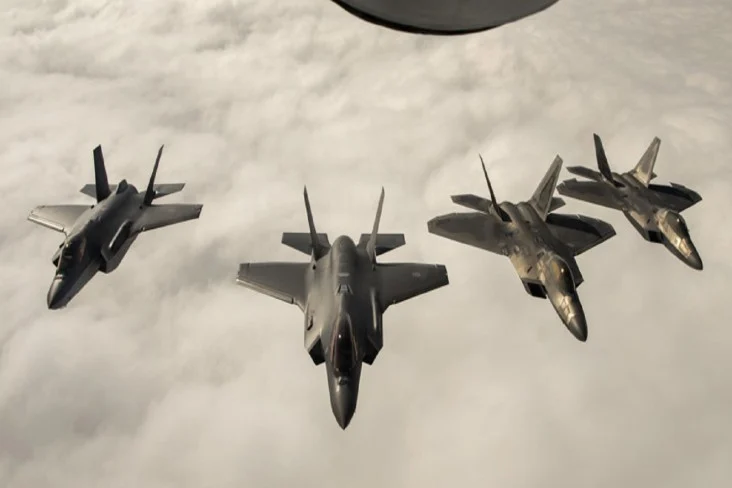
Air power continues to define modern military strength. By 2025, fighter jets remain essential tools for deterrence, rapid response, and power projection. Although emerging technologies such as drones and missiles gain prominence, fighter aircraft still dominate air superiority strategies worldwide.
Therefore, understanding which countries possess the largest fighter jet fleets provides insight into global military balance. While the United States maintains a commanding lead, China rapidly expands its air force and narrows the gap.
This Utara’DAILY analysis examines the 10 countries with the most fighter jets by 2025, explores why air power matters, and explains how strategic priorities shape each nation’s fleet.
Why Fighter Jets Still Matter in 2025
Despite advances in cyber warfare and unmanned systems, fighter jets remain indispensable. They offer speed, flexibility, and multi-role capabilities unmatched by other platforms.
Moreover, fighter jets support:
- Air superiority
- Ground attack missions
- Naval defense
- Deterrence and diplomacy
Therefore, nations continue investing heavily in modern fighters.
Measuring Fighter Jet Strength
Counting fighter jets requires careful criteria. Analysts typically include multirole fighters, air superiority fighters, and interceptors. They exclude trainers and unmanned aircraft.
Additionally, numbers alone do not guarantee superiority. Technology, pilot training, logistics, and integration also matter.
However, fleet size still reflects strategic intent and industrial capacity.
1. United States — The Undisputed Leader
The United States ranks first with the largest fighter jet fleet by 2025. The US Air Force, Navy, and Marine Corps operate thousands of fighters across multiple generations.
Key aircraft include:
- F-35 Lightning II
- F-22 Raptor
- F-15 Eagle variants
- F/A-18 Super Hornet
Moreover, the US continues replacing older platforms with fifth-generation fighters.
Therefore, the US maintains unmatched global air dominance.
Strategic Advantage of the US Fighter Fleet
The US benefits from:
- Global basing networks
- Advanced logistics
- Combat-tested doctrine
Additionally, American pilots receive extensive training. Consequently, operational readiness remains extremely high.
Furthermore, interoperability with allies multiplies US air power.
2. China — Rapidly Closing the Gap
China ranks second and continues expanding aggressively. The People’s Liberation Army Air Force (PLAAF) modernizes at remarkable speed.
Key fighters include:
- J-20 stealth fighter
- J-16 multirole fighter
- J-10 series
Moreover, China invests heavily in domestic aircraft production.
Therefore, China reduces dependence on foreign technology.
China’s Strategic Air Power Goals
China focuses on regional dominance. Its fighter jets prioritize:
- Taiwan Strait contingencies
- South China Sea control
- Homeland air defense
Additionally, stealth development enhances survivability.
Consequently, China increasingly challenges US air superiority in Asia.
3. Russia — Legacy Strength Under Pressure
Russia ranks third with a large but aging fighter fleet. The Russian Aerospace Forces operate numerous Soviet-era designs alongside modernized variants.
Key aircraft include:
- Su-27 and Su-30
- Su-35
- MiG-29 variants
However, production challenges limit fleet expansion.
Russia’s Fighter Jet Strategy
Russia emphasizes:
- Long-range interception
- Air defense integration
- Export-oriented designs
Nevertheless, economic constraints slow modernization.
Therefore, Russia maintains quantity but struggles with rapid renewal.
4. India — Expanding Regional Air Power
India ranks fourth and continues modernizing its air force. The Indian Air Force balances imported and domestically produced fighters.
Key aircraft include:
- Su-30MKI
- Rafale
- Tejas LCA
Moreover, India invests in indigenous development.
Therefore, India strengthens strategic autonomy.
India’s Air Power Priorities
India focuses on:
- Border security
- Deterrence against regional rivals
- Technological independence
Additionally, joint exercises improve readiness.
Consequently, India’s air power continues growing steadily.
5. Japan — Technological Excellence Over Quantity
Japan ranks fifth despite constitutional constraints. The Japan Air Self-Defense Force operates advanced fighters with high readiness.
Key aircraft include:
- F-15J
- F-35A and F-35B
Moreover, Japan prioritizes quality and integration.
Therefore, its smaller fleet delivers outsized capability.
Japan’s Defensive Air Doctrine
Japan emphasizes:
- Rapid interception
- Maritime defense
- Alliance coordination
Consequently, Japan remains a critical regional air power.
6. South Korea — Rising Air Force Modernization
South Korea ranks sixth and modernizes rapidly. The Republic of Korea Air Force integrates advanced fighters.
Key aircraft include:
- F-15K
- F-35A
- KF-21 Boramae (emerging)
Moreover, domestic production accelerates growth.
South Korea’s Strategic Focus
South Korea prioritizes:
- Deterrence
- Rapid response
- Interoperability with allies
Therefore, its air force evolves quickly.
7. Pakistan — Strategic Balance Through Air Power
Pakistan ranks seventh with a diverse fighter fleet. It relies on both Chinese and domestic platforms.
Key aircraft include:
- JF-17 Thunder
- F-16 Fighting Falcon
Moreover, Pakistan emphasizes affordability and flexibility.
Consequently, air power supports strategic balance.
8. France — Compact but Capable
France ranks eighth and operates a smaller yet highly capable fighter fleet.
Key aircraft include:
- Rafale
France focuses on multirole capability and expeditionary operations.
Therefore, quality compensates for quantity.
France’s Air Power Doctrine
France emphasizes:
- Strategic autonomy
- Overseas deployments
- Nuclear deterrence support
Consequently, French fighters operate globally.
9. Turkey — Growing Indigenous Capability
Turkey ranks ninth and invests heavily in domestic aerospace programs.
Key aircraft include:
- F-16 Fighting Falcon
- Indigenous fighter projects
Moreover, Turkey prioritizes self-reliance.
Therefore, its air power continues evolving.
10. Egypt — Expanding Through Diversification
Egypt rounds out the top ten with a diversified fleet.
Key aircraft include:
- Rafale
- MiG-29
- F-16
Egypt balances suppliers to avoid dependency.
Consequently, its air force expands strategically.
Comparing Quantity vs Quality
While numbers matter, quality defines effectiveness. Fifth-generation fighters outperform older platforms.
Therefore, fleet composition matters as much as size.
Additionally, pilot training and maintenance shape readiness.
The Role of Stealth Technology
Stealth fighters redefine air combat. Reduced radar visibility enhances survivability.
Therefore, nations prioritize stealth development.
China and the US lead this race.
Drones vs Fighter Jets
Although drones expand rapidly, they do not replace fighters yet.
Fighters offer:
- Human judgment
- Versatility
- Air dominance
Therefore, they remain essential.
Global Military Competition by 2025
Fighter jet expansion reflects rising competition. Strategic rivalry drives procurement.
Moreover, regional conflicts accelerate modernization.
Consequently, air power remains central.
Economic and Industrial Implications
Building fighters requires advanced industry. Aircraft programs stimulate technology and employment.
Therefore, domestic production supports national growth.
Alliances and Interoperability
Alliances amplify air power. Shared platforms enhance coordination.
Therefore, interoperability matters.
The US benefits significantly from allied fleets.
Training and Readiness as Force Multipliers
Well-trained pilots outperform numerical advantages.
Therefore, training investment proves critical.
Future Trends Beyond 2025
Future air power will integrate:
- AI assistance
- Networked warfare
- Sixth-generation concepts
However, fighter jets will remain core assets.
Conclusion: The Air Power Balance in 2025
In conclusion, the 10 countries with the most fighter jets by 2025 reveal shifting global dynamics. The United States remains firmly in first place, supported by unmatched infrastructure and technology.
However, China continues closing the gap through rapid modernization and domestic production. Meanwhile, other nations invest strategically to protect regional interests.
As military competition intensifies, fighter jets will remain powerful symbols of national strength and deterrence. Utara’DAILY will continue monitoring global defense trends shaping the future of air power.