
Utara’DAILY: China’s Ambition to Own Nine Aircraft Carriers and 6th-Generation Fighter Jets Makes the US Feel Threatened?
A New Phase in Global Military Competition
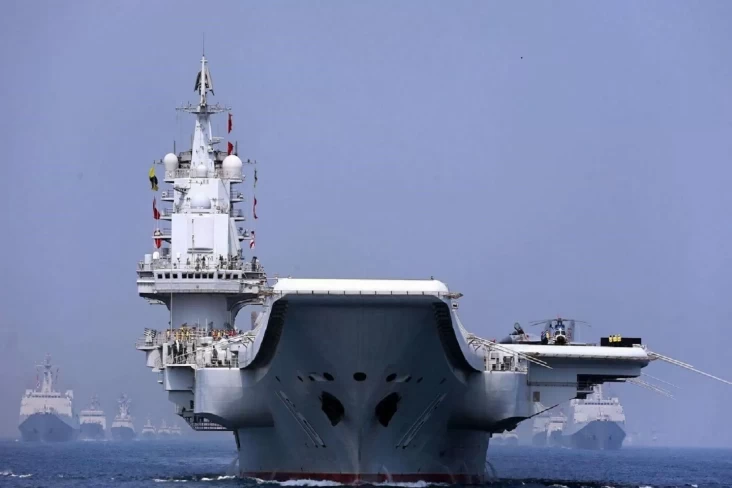
China’s rapidly expanding military ambitions have entered a decisive new phase. With reports suggesting plans to operate up to nine aircraft carriers and develop 6th-generation fighter jets, Beijing is signaling a long-term vision for global power projection. Consequently, the United States and its allies increasingly perceive these developments as a strategic challenge.
Moreover, China’s modernization efforts go far beyond symbolism. Instead, they reflect structural changes in doctrine, technology, and global intent. As a result, military analysts worldwide are reassessing the future balance of power.
Understanding China’s Aircraft Carrier Strategy
Aircraft carriers represent more than naval hardware. They symbolize national power, technological maturity, and global reach. Historically, only a few nations have maintained large carrier fleets. Therefore, China’s ambition to own nine carriers marks a dramatic shift.
Currently, China operates several carriers with more under construction. Each new vessel incorporates advanced systems, including electromagnetic catapults and improved air wings. Consequently, China moves closer to blue-water naval capability.
Why Nine Aircraft Carriers Matter
The number nine is not arbitrary. Analysts suggest that such a fleet would allow China to maintain constant carrier presence across multiple theaters. While some carriers undergo maintenance, others could deploy simultaneously.
As a result, China could project power in the Western Pacific, Indian Ocean, and potentially beyond. This capability challenges long-standing US naval dominance, especially in Asia-Pacific waters.
The Role of 6th-Generation Fighter Jets
In parallel with naval expansion, China invests heavily in next-generation air power. 6th-generation fighter jets promise revolutionary advances, including artificial intelligence integration, manned-unmanned teaming, and enhanced stealth.
Unlike incremental upgrades, these aircraft aim to redefine aerial warfare. Therefore, China’s progress in this domain alarms US defense planners, who view air superiority as central to deterrence.
Comparing Chinese and US Military Capabilities
The United States currently operates the world’s largest aircraft carrier fleet and maintains advanced stealth fighters. However, China’s focused regional strategy contrasts with America’s global commitments.
Because China concentrates resources in the Indo-Pacific, it can challenge US forces locally. Consequently, even if the US retains numerical superiority, regional balance becomes more contested.
Strategic Intent Behind China’s Expansion
China frames its military growth as defensive. Officials emphasize sovereignty protection, maritime security, and regional stability. However, actions speak louder than words.
Expanded carrier fleets and advanced fighters enable long-range operations. Therefore, critics argue that China prepares for broader power projection rather than mere defense.
The United States’ Perception of Threat
From Washington’s perspective, China’s ambitions undermine established security frameworks. US defense strategies increasingly identify China as the primary long-term competitor.
As China expands capabilities, US planners reassess force posture, alliances, and technological priorities. Consequently, military budgets and strategic doctrines adapt to counter perceived threats.
Indo-Pacific: The Central Arena
The Indo-Pacific region sits at the heart of this competition. Key waterways, trade routes, and disputed territories converge there.
China’s carrier deployments could strengthen its presence in contested areas. Therefore, the US intensifies cooperation with allies such as Japan, Australia, and South Korea.
Impact on Taiwan Strait Dynamics
Taiwan represents one of the most sensitive flashpoints. Aircraft carriers and advanced fighters significantly enhance China’s military leverage.
Although conflict remains undesirable, increased capability alters deterrence calculations. As a result, both sides engage in signaling and preparedness to avoid miscalculation.
South China Sea and Maritime Claims
China’s military expansion also affects the South China Sea. Aircraft carriers extend operational reach, while advanced jets enhance air dominance.
Regional states monitor these developments closely. Consequently, tensions persist despite diplomatic efforts.
Technological Competition and Innovation Race
Beyond numbers, technology defines modern military power. China invests heavily in artificial intelligence, hypersonic weapons, and cyber warfare.
6th-generation fighters integrate these technologies, blurring boundaries between air, space, and cyber domains. Therefore, competition becomes multidimensional.
Defense Industry and Economic Power
China’s industrial capacity supports rapid military modernization. Domestic shipyards and aerospace firms produce advanced platforms at scale.
Meanwhile, economic strength enables sustained investment. As a result, China reduces reliance on foreign technology while accelerating innovation.
US Response: Modernization and Alliances
In response, the US pursues modernization programs of its own. New aircraft, unmanned systems, and missile defenses receive priority.
Additionally, Washington strengthens alliances. Collective security arrangements amplify deterrence and distribute responsibility.
Arms Race or Strategic Stability?
Some analysts warn of an emerging arms race. As both sides expand capabilities, mistrust grows.
However, others argue that deterrence may stabilize relations. Clear capabilities can discourage reckless actions if both sides understand consequences.
The Role of Military Doctrine
China’s evolving doctrine emphasizes integrated operations. Carriers, fighters, missiles, and cyber assets operate as a unified system.
This integration challenges traditional concepts of warfare. Therefore, US strategists study Chinese doctrine closely.
Global Reactions Beyond the US
China’s ambitions concern not only the US. European and Asian states reassess security policies.
Some countries seek closer ties with Washington, while others hedge diplomatically. Consequently, global geopolitics become more complex.
Media Narratives and Public Perception
Media coverage shapes public understanding. Headlines often emphasize rivalry and threat.
However, nuanced analysis highlights complexity. Responsible journalism remains essential to avoid escalation driven by misunderstanding.
Deterrence in the 21st Century
Deterrence today differs from the Cold War era. Technology evolves rapidly, while conflicts blur traditional boundaries.
Aircraft carriers and 6th-generation fighters symbolize power, yet cyber and space domains matter equally. Therefore, deterrence becomes multidimensional.
Budgetary Implications for the US
Responding to China’s expansion requires resources. US defense spending debates intensify as policymakers balance priorities.
Investment decisions reflect long-term competition rather than immediate conflict.
Risks of Miscalculation
As capabilities expand, risks increase. Military exercises, patrols, and close encounters heighten tension.
Clear communication channels and confidence-building measures reduce risks. Therefore, diplomacy remains essential alongside deterrence.
China’s Domestic Perspective
Domestically, China presents military growth as national rejuvenation. Public narratives emphasize pride and sovereignty.
This framing strengthens domestic support but also reinforces commitment to expansion.
Future of Aircraft Carriers in Warfare
Some experts question the relevance of carriers in missile-dominated environments. However, carriers adapt with defenses and new technologies.
China’s investment suggests continued belief in their strategic value.
6th-Generation Fighters and AI Integration
Artificial intelligence transforms combat. AI-assisted decision-making accelerates response times.
China’s progress in AI integration raises ethical and strategic questions. Consequently, norms and rules struggle to keep pace.
International Law and Military Expansion
Military growth operates within international legal frameworks. Freedom of navigation and sovereignty claims intersect with power projection.
Disputes over interpretation persist, complicating enforcement.
Utara’DAILY Editorial Perspective
Utara’DAILY emphasizes balanced analysis. Rather than sensationalism, coverage contextualizes China’s ambitions within global trends.
Understanding intent, capability, and perception helps readers grasp the full picture.
Scenarios for the Next Decade
Several scenarios emerge. Cooperation could stabilize competition through rules and dialogue. Alternatively, rivalry could intensify if trust erodes.
Choices made today shape outcomes tomorrow.
Can Dialogue Reduce Tensions?
Dialogue remains possible. Military-to-military communication reduces misunderstandings.
Confidence-building measures, transparency, and arms control discussions offer pathways to stability.
Strategic Patience and Long-Term Thinking
Both China and the US think long-term. Strategic patience may prevent rash decisions.
However, patience requires discipline and restraint, especially during crises.
The Balance Between Power and Responsibility
With power comes responsibility. Military expansion carries obligations to maintain peace.
Global leadership depends not only on capability but also on restraint.
Conclusion: A Defining Challenge for Global Security
China’s ambition to deploy nine aircraft carriers and 6th-generation fighter jets represents a defining challenge for global security. While these developments enhance China’s power projection, they also intensify US concerns and reshape strategic calculations.
Ultimately, whether these ambitions lead to confrontation or coexistence depends on choices made by leaders on all sides. Through dialogue, deterrence, and responsible governance, competition can remain managed rather than destructive.
The world stands at a crossroads, watching how this evolving military balance shapes the future of international order.