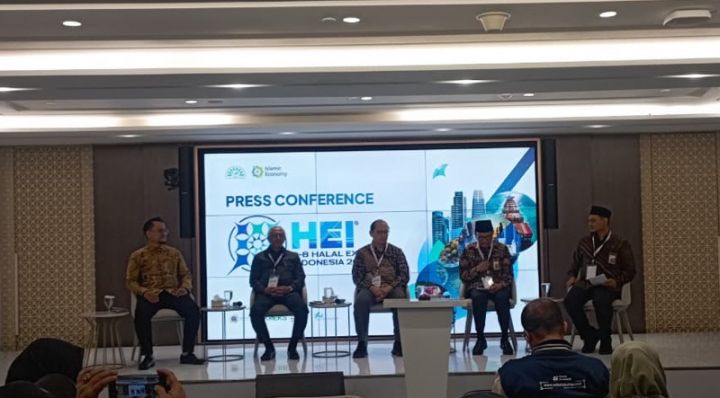
The D-8 Halal Expo 2026 Will Be Indonesia’s Stage to Lead the Global Halal Economy
A Defining Moment for Indonesia and the Halal World
The D-8 Halal Expo 2026 represents more than a trade exhibition. Instead, it marks a defining moment for Indonesia to step confidently onto the global stage as a leader in the halal economy. As the world’s largest Muslim-majority nation, Indonesia now carries both the credibility and the responsibility to shape the future of halal trade, innovation, and sustainability.
Moreover, the global halal market continues to expand rapidly. According to various industry estimates, halal-related sectors now generate trillions of dollars annually. Therefore, Indonesia’s role as host of the D-8 Halal Expo 2026 places the country at the center of a transformative economic movement.
Understanding the D-8 Organization and Its Mission
The Developing Eight (D-8) Organization for Economic Cooperation unites eight Muslim-majority countries: Indonesia, Malaysia, Turkey, Iran, Pakistan, Bangladesh, Egypt, and Nigeria. Together, these nations represent a vast population, a growing consumer base, and immense production potential.
From the beginning, the D-8 aimed to strengthen economic cooperation, promote trade, and reduce dependency on developed economies. Consequently, the Halal Expo serves as a practical platform to translate shared goals into tangible outcomes.
Why the Halal Economy Matters More Than Ever
The halal economy extends far beyond food and beverages. Today, it includes pharmaceuticals, cosmetics, fashion, tourism, finance, logistics, and digital services. Furthermore, halal standards increasingly appeal not only to Muslim consumers but also to global audiences seeking ethical, safe, and sustainable products.
As a result, countries that invest early in halal infrastructure gain a strategic advantage. Indonesia understands this reality and positions the D-8 Halal Expo 2026 as a gateway to global markets.
Indonesia’s Strategic Advantage in the Global Halal Landscape
Indonesia brings several key strengths to the table. First, it boasts the world’s largest Muslim population, creating massive domestic demand. Second, it possesses a diverse manufacturing base supported by millions of micro, small, and medium enterprises (MSMEs).
Additionally, Indonesia continues to modernize its halal certification system. Through the Halal Product Assurance Agency (BPJPH), the government actively improves efficiency, transparency, and international recognition. Therefore, Indonesia arrives at the D-8 Halal Expo 2026 with both scale and credibility.
The D-8 Halal Expo 2026: More Than an Exhibition
Unlike conventional trade fairs, the D-8 Halal Expo 2026 integrates business, policy, innovation, and diplomacy. While exhibitors showcase products and services, policymakers engage in strategic dialogue. At the same time, investors explore partnerships, and startups present cutting-edge solutions.
Consequently, the expo functions as a comprehensive ecosystem rather than a single-event marketplace.
Driving Trade Integration Among D-8 Countries
One of the expo’s primary goals involves strengthening intra-D-8 trade. Although D-8 nations share cultural and religious ties, trade volumes among them remain below potential.
Therefore, the expo facilitates direct business matching, reduces information gaps, and encourages harmonization of halal standards. As a result, exporters and importers can move faster and with greater confidence.
Empowering MSMEs Through Global Exposure
Indonesia’s MSMEs form the backbone of its halal economy. However, many small businesses struggle to access international markets due to limited networks and resources.
Through the D-8 Halal Expo 2026, MSMEs gain exposure to global buyers, distributors, and investors. Moreover, the event offers capacity-building sessions on branding, certification, and export readiness. Thus, small enterprises can scale sustainably.
Innovation and Digital Transformation in the Halal Sector
The halal economy increasingly relies on digital innovation. From blockchain-based traceability systems to AI-driven supply chains, technology now defines competitiveness.
Recognizing this shift, the expo dedicates significant space to halal tech startups. These innovators demonstrate solutions that enhance transparency, efficiency, and consumer trust. Consequently, Indonesia positions itself not only as a producer but also as a technology-driven halal hub.
Halal Finance as a Growth Catalyst
Islamic finance plays a crucial role in supporting halal industries. Sharia-compliant financing aligns naturally with halal business principles and encourages ethical investment.
During the D-8 Halal Expo 2026, financial institutions showcase products such as sukuk, halal venture capital, and Islamic microfinance. As a result, entrepreneurs gain access to funding tailored to their values and needs.
Sustainable Development and Ethical Production
Sustainability increasingly defines consumer preferences worldwide. Fortunately, halal principles already emphasize cleanliness, fairness, and responsibility.
Indonesia uses the expo to highlight sustainable halal practices, including eco-friendly packaging, ethical sourcing, and fair labor standards. Therefore, the halal economy aligns seamlessly with global sustainability goals.
Halal Tourism: Avoiding a Narrow Definition
Halal tourism extends beyond religious compliance. Instead, it focuses on inclusive services, family-friendly environments, and cultural sensitivity.
Indonesia showcases destinations that integrate halal hospitality with natural beauty and cultural richness. Consequently, the expo positions halal tourism as a universal concept appealing to diverse travelers.
Strengthening Global Halal Standards
Differences in halal certification standards often create trade barriers. To address this challenge, the D-8 Halal Expo 2026 promotes dialogue on mutual recognition and standard harmonization.
Through technical discussions and regulatory forums, participating countries work toward common frameworks. As a result, businesses can operate more efficiently across borders.
Indonesia’s Diplomatic Leverage Through the Expo
Beyond economics, the expo strengthens Indonesia’s diplomatic influence. By hosting a major international event, Indonesia demonstrates leadership, neutrality, and collaboration.
Moreover, the expo reinforces Indonesia’s long-standing role as a bridge between the Muslim world and the global community.
Youth and the Future of the Halal Economy
Young entrepreneurs and professionals drive the next phase of halal growth. Therefore, the expo actively involves youth through competitions, innovation labs, and networking sessions.
By doing so, Indonesia invests in long-term leadership and ensures continuity in the halal ecosystem.
Women’s Role in the Halal Industry
Women play a vital role in halal production, entrepreneurship, and innovation. The expo highlights women-led businesses and supports gender-inclusive economic participation.
Consequently, the halal economy becomes more representative, resilient, and dynamic.
Media, Branding, and Global Perception
Brand perception determines market success. Therefore, Indonesia leverages international media coverage to position itself as a trusted halal leader.
Through strategic storytelling and branding, the expo reshapes global perceptions of halal as modern, innovative, and inclusive.
Challenges Indonesia Must Address
Despite strong momentum, Indonesia still faces challenges. Infrastructure gaps, regulatory complexity, and logistics inefficiencies require continuous improvement.
However, by acknowledging these issues openly, Indonesia signals readiness for reform and partnership.
Long-Term Economic Impact of the D-8 Halal Expo 2026
The expo’s impact extends far beyond 2026. Trade agreements, joint ventures, and policy alignments formed during the event will shape economic trajectories for years.
Therefore, the expo serves as a catalyst rather than a conclusion.
Regional Development and Domestic Benefits
Hosting the expo stimulates local economies through tourism, employment, and infrastructure investment. At the same time, it encourages regional participation beyond major cities.
Thus, economic benefits spread more evenly across Indonesia.
Indonesia’s Vision for a Global Halal Hub
Ultimately, Indonesia envisions itself as a global halal hub connecting producers, consumers, and innovators. The D-8 Halal Expo 2026 accelerates this vision by providing visibility and momentum.
Through consistent policy support and international collaboration, Indonesia moves closer to realizing this ambition.
Global Response and Expectations
International stakeholders express strong interest in the expo. Governments, corporations, and institutions recognize its potential to reshape halal trade dynamics.
As expectations rise, Indonesia prepares to deliver a world-class event that meets global standards.
Conclusion: Indonesia’s Moment to Lead
The D-8 Halal Expo 2026 stands as Indonesia’s moment to lead the global halal economy with confidence and clarity. By combining scale, innovation, diplomacy, and inclusivity, Indonesia transforms opportunity into leadership.
Ultimately, the expo sends a clear message: Indonesia does not merely participate in the halal economy—it helps define its future.