
Russian Commander Reveals S-300 Missile System Shot Down US-Made F-16 Fighter Jet in Ukraine
A Claim That Shakes the Battlefield Narrative
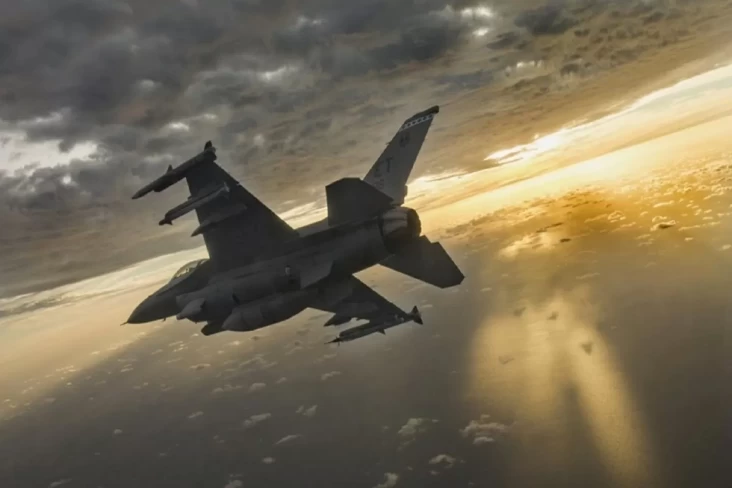
A senior Russian military commander has claimed that a Russian S-300 air defense missile system successfully shot down a US-made F-16 fighter jet operating in Ukrainian airspace. Immediately, the statement sent shockwaves across international media, military circles, and diplomatic channels.
Moreover, the claim intensified debates surrounding Western military assistance to Ukraine. As tensions continue to rise, this alleged incident could mark a turning point in the air war over Ukraine. At the same time, it raises serious questions about escalation, technological capability, and strategic messaging in one of the world’s most closely watched conflicts.
The Commander’s Statement and Its Strategic Timing
According to the Russian commander, air defense forces detected and tracked the F-16 before engaging it with an S-300 missile. He emphasized that Russian systems remain fully capable of neutralizing advanced Western aircraft.
Notably, the announcement came amid increased Western support for Ukraine, including long-discussed deliveries of F-16 fighter jets. Therefore, analysts view the statement as both a military claim and a strategic message aimed at NATO allies.
Understanding the S-300 Missile System
The S-300 missile system has long served as a cornerstone of Russian air defense. Designed during the Soviet era and continuously upgraded, the system can engage aircraft, cruise missiles, and ballistic threats at long ranges.
Furthermore, the S-300 uses advanced radar tracking, allowing operators to detect targets at significant distances. As a result, Russian officials frequently highlight the system’s effectiveness against modern aircraft.
Why the F-16 Matters in the Ukraine Conflict
The F-16 Fighting Falcon represents one of the most iconic US-made multirole fighter jets. Western allies view it as a potential game-changer for Ukraine due to its agility, advanced avionics, and combat versatility.
Consequently, Moscow has consistently warned that deploying F-16s would escalate the conflict. Therefore, this claim, whether verified or not, directly targets Western confidence in the aircraft’s survivability.
Ukraine’s Silence and Strategic Ambiguity
Following the Russian statement, Ukrainian officials refrained from confirming or denying the loss of an F-16. This silence, however, aligns with Kyiv’s broader strategy of operational secrecy.
At the same time, Ukrainian military sources reiterated that air operations remain ongoing and resilient. Thus, ambiguity continues to surround the alleged incident.
Western Response and Calls for Verification
Western defense officials urged caution regarding the Russian claim. They stressed the need for independent verification before drawing conclusions.
Additionally, NATO representatives emphasized that misinformation plays a central role in modern warfare. Therefore, they warned against accepting battlefield claims without corroborating evidence.
Information Warfare and Psychological Operations
In modern conflicts, information often serves as a weapon. Russia and Ukraine both employ strategic communication to influence public perception and international opinion.
As such, the claim about the S-300 shooting down an F-16 could aim to undermine morale, deter further Western aid, or project military dominance.
Air Defense vs. Air Superiority
This incident highlights the evolving balance between air defense systems and advanced fighter jets. While aircraft technology continues to improve, surface-to-air missiles also grow more sophisticated.
Consequently, air superiority no longer guarantees immunity from ground-based threats. Instead, modern warfare demands integrated tactics and constant adaptation.
Training Challenges for Ukrainian Pilots
Even if Ukraine receives F-16s, pilot training remains a critical challenge. Transitioning from Soviet-era aircraft to Western platforms requires extensive instruction.
Therefore, any loss—real or claimed—underscores the high stakes involved in deploying new aircraft during active conflict.
Escalation Concerns and Red Lines
Russia has repeatedly warned that Western-supplied aircraft crossing certain thresholds would provoke strong responses. As a result, this claim reinforces Moscow’s narrative about defending its red lines.
Meanwhile, Western governments continue to calibrate support carefully to avoid direct confrontation.
Historical Precedents of Aircraft Loss Claims
Throughout military history, conflicting sides often dispute aircraft losses. From the Cold War to modern conflicts, verification remains difficult amid active hostilities.
Thus, analysts urge skepticism until satellite imagery, wreckage, or independent confirmation emerges.
Impact on NATO Decision-Making
If confirmed, such an incident could influence NATO’s calculations. Some members may reassess deployment strategies or adjust timelines for aircraft transfers.
However, others may view the claim as further justification to strengthen Ukraine’s defenses.
Technological Implications for Air Warfare
The alleged shootdown also fuels debates about stealth, electronic warfare, and missile evasion. Advanced jets rely heavily on countermeasures, yet ground systems continue to evolve.
Therefore, military planners worldwide closely study such incidents for lessons learned.
Economic and Industrial Dimensions
Western defense manufacturers monitor battlefield performance closely. Any perceived vulnerability could influence procurement decisions and future upgrades.
Conversely, Russia may use the claim to market its air defense systems internationally.
Media Coverage and Public Perception
Global media outlets rapidly amplified the commander’s statement. Headlines varied, with some emphasizing the claim and others highlighting uncertainty.
As a result, public perception remains divided, reflecting broader polarization surrounding the conflict.
The Fog of War
War inevitably produces confusion, exaggeration, and misinformation. Therefore, separating fact from narrative requires patience and rigorous analysis.
In this case, the fog of war continues to obscure the truth.
Potential Consequences for the Air Campaign
If Ukraine indeed lost an F-16, the incident could temporarily affect operational planning. However, Ukraine has repeatedly demonstrated adaptability under pressure.
Thus, one incident—confirmed or not—would unlikely alter the broader trajectory alone.
International Law and Rules of Engagement
The use of advanced weapons raises questions about rules of engagement and international norms. Nevertheless, both sides operate under wartime conditions where such systems remain lawful military targets.
Strategic Messaging to Domestic Audiences
Russian leadership often addresses domestic audiences when making such announcements. By emphasizing military success, officials reinforce internal support for ongoing operations.
Similarly, Ukraine and its allies carefully manage messaging to maintain unity.
Allies Watch Closely
Countries supplying military aid closely observe how their equipment performs. These observations shape future support decisions and strategic alignments.
Lessons for Modern Militaries
Regardless of verification, the claim underscores the lethal environment modern pilots face. Air defense systems remain formidable, even against advanced aircraft.
Thus, militaries worldwide continue refining doctrines to balance offense and defense.
What Comes Next?
As analysts await further evidence, attention shifts to upcoming developments on the battlefield. Satellite data, intelligence leaks, or official confirmations may clarify the situation.
Until then, uncertainty prevails.
Conclusion: A Claim With Global Implications
The Russian commander’s claim that an S-300 missile system shot down a US-made F-16 fighter jet in Ukraine represents more than a battlefield report. It reflects strategic signaling, information warfare, and the evolving nature of modern conflict.
Whether proven true or not, the statement has already influenced narratives, raised tensions, and reminded the world that the Ukraine war remains volatile and unpredictable. Ultimately, only verified evidence will determine the incident’s place in history, but its impact on perception is already undeniable.