US Takes Over Venezuela’s Oil Sales Indefinitely: Implications and Global Reaction
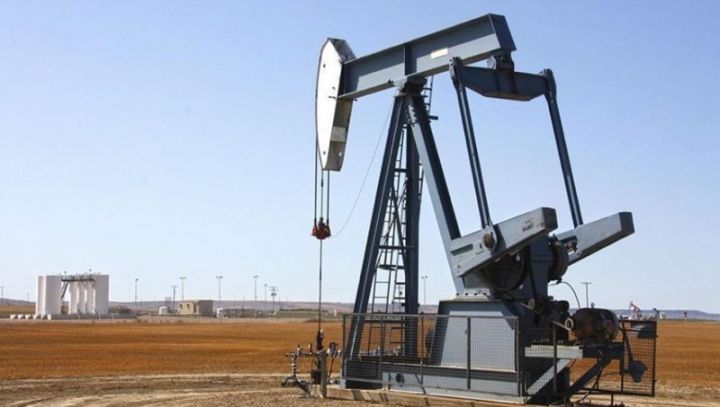
In a dramatic shift with far-reaching consequences, the United States government has announced that it will control Venezuela’s oil sales indefinitely. The declaration comes amid political upheaval in Caracas, extensive military and economic pressure, and a re-alignment of diplomatic priorities under the Trump administration. This policy decision marks a new chapter in the long and controversial U.S.–Venezuela oil relationship and has drawn intense attention globally because of its energy, economic, and geopolitical ramifications. Al Jazeera+1
Since the announcement, which top U.S. officials have framed as intended to stabilize Venezuela’s economy and secure greater leverage over its future governance, the plan has ignited debate internationally, with critics and supporters offering sharply divergent interpretations of its legitimacy and long-term impact. As this story continues to unfold, understanding the motives, mechanics, and potential consequences is vital.
What “Indefinite Control” of Oil Sales Really Means
When U.S. Energy Secretary Chris Wright stated that the United States would sell Venezuelan oil “indefinitely,” he did not merely mean a temporary arrangement. Instead, the declaration indicates that Washington seeks long-term administrative authority over the marketing and revenue streams of Venezuelan crude, with proceeds deposited into U.S.-controlled accounts for use in reconstruction and potentially economic support programs. GV Wire
Importantly, officials described the plan as involving both the sale of previously stored Venezuelan crude — reported to be between 30 and 50 million barrels initially — and future production as it comes online. Moreover, U.S. energy policy strategists have made clear that the proceeds will remain under U.S. fiscal control in order to ensure leverage and influence over Venezuela’s post-Maduro transition. The National
Historical Context: A Long-Standing Oil Relationship
To fully grasp the significance of the U.S. decision, it is necessary to consider the history of Venezuelan oil in global energy markets. Venezuela has long been one of the world’s most oil-rich nations, possessing the largest proven crude oil reserves globally. Historically, it exported significant volumes to the United States, particularly before domestic sanctions and political tensions emerged. The National
However, following years of political turmoil under leaders such as Hugo Chávez and Nicolás Maduro, coupled with strict U.S. sanctions on Venezuela’s state-owned oil company PDVSA since 2019, Caracas’ oil sector sank from its historical peak of more than 3.5 million barrels per day to under one million. As a result, U.S. policy toward Venezuelan oil has oscillated between strict sanctions and limited engagement, with Chevron receiving sporadic licenses even under restrictive regimes. FinancialContent
The Recent U.S. Policy Shift: Why Now?
The latest policy shift did not emerge in a vacuum. Instead, it arrives on the heels of a series of high-stakes developments:
- A U.S.-led military operation in early January 2026 resulted in the capture of Venezuelan leader Nicolás Maduro, dramatically altering power dynamics in Caracas. Reddit
- The Trump administration intensified sanctions and maritime blockades aimed at crippling Venezuela’s ability to export crude outside of U.S. control. RICentral.com
- U.S. policy makers publicly claimed that controlling Venezuela’s oil sector would provide essential leverage to implement economic and political reforms. The National
Taken together, these moves signal a strategic pivot intended to transform Venezuela’s oil industry from a regionally policed entity into a component of U.S. energy policy, at least indefinitely.
Mechanics of the Oil Takeover
How will the United States operationalize this control? Officials have outlined several key mechanisms:
Direct Sale and Revenue Channels
U.S. authorities said they will sell Venezuelan crude themselves through government channels and deposit all associated revenues into accounts managed by the U.S. Treasury or other U.S.-based financial institutions. These revenues may then be used to fund reconstruction efforts in Venezuela, as well as support other policy objectives. GV Wire
Collaboration With U.S. Oil Companies
Although initial indications suggest that revenues will be controlled by the U.S. government, there are signals that major American oil giants — such as Chevron, ExxonMobil, and ConocoPhillips — could play roles in rebuilding Venezuelan oil infrastructure over time. However, industry leaders remain cautious due to historical risks and uncertainties. The Washington Post
Diplomatic and Legal Frameworks
Despite the extraordinary nature of the policy, U.S. officials argue that ongoing negotiations with interim Venezuelan authorities and existing authorization frameworks provide a basis for these actions. Notably, Secretary of State Marco Rubio emphasized U.S. leverage in guiding Venezuela’s economic trajectory — though he also acknowledged that ultimate control of the country’s future should rest with its people. The National
Economic Implications for Venezuela
From the Venezuelan viewpoint, this policy represents both opportunity and peril. On the one hand, American control may revitalize a deteriorated energy sector with capital injections and technological expertise previously absent. On the other hand, critics argue that stripping Venezuela of control over its own resource wealth undermines national sovereignty and could worsen domestic instability.
Furthermore, diversion of Venezuelan crude from China — historically one of its largest buyers — to the United States could reshape existing trade patterns and economic alliances. Venezuelan authorities themselves stated they are engaged in commercial negotiations with U.S. counterparts, though official confirmation from PDVSA remains cautious. The National
Global Energy Market Repercussions
The United States’ decision has clear implications for global energy markets:
Impact on Oil Supply and Prices
By adding Venezuelan oil to the global marketplace under U.S. control, additional supply could put downward pressure on crude prices, especially if large volumes are sold quickly. Indeed, markets reacted with volatility following the announcement. Al Jazeera
Shifts in Geopolitical Oil Flows
Traditional buyers like China may be forced to seek alternative suppliers, potentially elevating competition for other heavy crude producers such as Canada and Russia. This reshaping of trade flows could have secondary effects on regional energy strategies and alliances.
OPEC+ Responses
Oil producers within OPEC+ have expressed caution in adjusting production, balancing their own market interests with the evolving landscape created by U.S. involvement in Venezuelan production. The National
Regional and International Reactions
Not surprisingly, the policy has sparked diverse global reactions:
Latin American Perspectives
Governments across Latin America are divided. Some express concerns about U.S. overreach and the violation of Venezuela’s sovereignty, while others view the policy as a potential stabilizing force if it leads to economic recovery.
Reactions From China and Russia
Major global powers, particularly China, have criticized the move as contravening international law and infringing on Venezuela’s rights to sovereign resource control. Chinese officials have emphasized that Venezuela must retain autonomy over its natural resources. The Guardian
U.S. Domestic Debate
Within the United States, political opinion is sharply split. Supporters argue the policy strengthens U.S. energy security and disrupts corrupt oil elites in Venezuela, while opponents liken it to past foreign entanglements that lacked long-term viability.
Legal and Ethical Considerations
The indefinite takeover raises critical legal and ethical questions:
- Does international law permit one nation to control another’s natural resource sales without formal consent?
- How should oil revenues be distributed to benefit ordinary Venezuelans rather than external actors?
- What precedents does this set for future foreign policy?
These questions suggest that the implications extend far beyond oil markets, touching core principles of sovereignty and global order.
Humanitarian and Socioeconomic Dimensions
While economic arguments dominate headlines, the humanitarian dimension is equally significant. Venezuela has endured years of economic collapse, food scarcity, and public service disruption. Therefore, the allocation of oil revenues — whether managed by Venezuela or controlled by a foreign government — will critically shape the country’s future socioeconomic landscape.
The U.S. administration has pledged some revenues to humanitarian aid and reconstruction programs, though details remain fluid and subject to political negotiation.
Potential Future Scenarios
Looking ahead, there are several possible trajectories:
- Sustained U.S. Control with Gradual Venezuelan Transition
This scenario involves U.S. economic stewardship for years, with eventual phased restoration of Venezuelan control. - Global Pushback and Policy Reversal
Legal challenges, diplomatic pressure, and regional alliances may force a reexamination of the indefinite control model. - Energy Sector Privatization and Investment Surge
If major oil firms commit to investment, Venezuela’s oil infrastructure could experience modernization, though this process could take decades. - Escalation of Geopolitical Tensions
With China and Russia potentially seeking countermeasures, the situation could evolve into a broader geopolitical struggle.
Conclusion
The United States’ announcement that it will control Venezuela’s oil sales indefinitely represents one of the most extraordinary developments in recent geopolitical and energy history. While U.S. officials frame the strategy as a means to stabilize Venezuela and leverage change, critics argue that it represents a profound infringement on national sovereignty.
Moreover, the move could reshape global energy markets, alter trade relationships, and spark new geopolitical alignments. Because of its complexity and scale, this policy will likely remain a subject of intense scrutiny and debate for years to come.