
Utara’DAILY: South Korea Closes 4,008 Schools as Student Population Shrinks
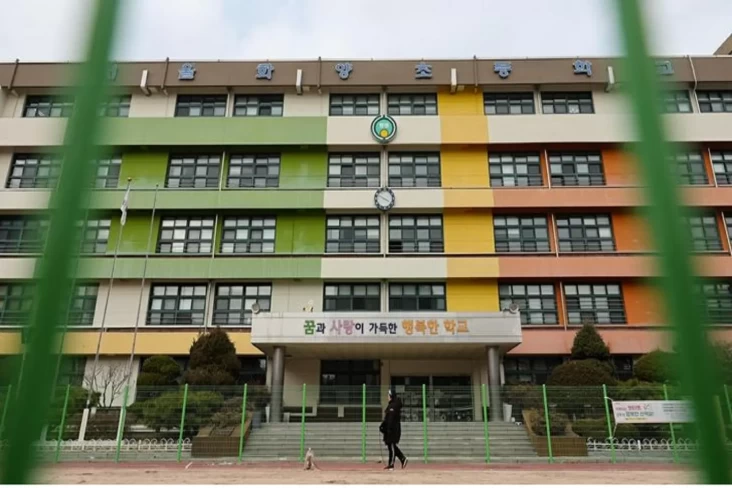
South Korea has entered a critical moment in its demographic history. As birth rates continue to fall and classrooms grow emptier, the country has officially closed 4,008 schools nationwide. This unprecedented move reflects not only an education crisis but also a broader social transformation that threatens economic growth, workforce stability, and national sustainability.
Moreover, the school closures highlight how deeply population decline has reshaped South Korea’s future. While policymakers search for solutions, communities already feel the consequences. Therefore, the issue demands urgent attention at every level of society.
A Nation Facing a Demographic Turning Point
For decades, South Korea prioritized rapid economic development. However, this success came with unintended demographic consequences. Rising living costs, competitive work culture, and delayed marriages dramatically reduced birth rates.
As a result, South Korea now records one of the world’s lowest fertility rates. Consequently, fewer children enter the education system each year. This decline has forced authorities to consolidate or shut down schools that no longer meet minimum enrollment thresholds.
The Scale of the School Closures
The closure of 4,008 schools represents a historic milestone. These shutdowns include elementary, middle, and high schools across urban and rural regions.
Although rural areas experienced the earliest impact, urban districts now face similar challenges. Therefore, the issue no longer affects only remote communities but increasingly threatens city-based education systems.
Why Student Numbers Keep Falling
Several interconnected factors drive South Korea’s shrinking student population. First, young adults delay marriage due to economic uncertainty. Additionally, housing prices remain high, especially in major cities.
Furthermore, intense academic pressure discourages many couples from having children. Consequently, family sizes continue to shrink.
Therefore, the education system faces long-term contraction rather than a temporary fluctuation.
Rural Communities Hit the Hardest
Rural regions experience the most severe consequences. As schools close, families relocate to urban centers, accelerating depopulation.
Moreover, school closures reduce access to education and social services. As a result, elderly populations dominate rural communities, weakening local economies.
Thus, education decline and regional imbalance reinforce each other.
Urban Areas Are No Longer Immune
Although cities once absorbed students from rural areas, urban enrollment now also declines. Several districts in Seoul and Busan report empty classrooms.
Consequently, city governments have begun merging schools. This shift marks a significant departure from decades of urban growth.
Therefore, demographic decline has become a nationwide challenge.
Impact on Teachers and Education Workers
School closures directly affect teachers and staff. Many educators face reassignment, early retirement, or unemployment.
Moreover, job uncertainty discourages young people from entering the teaching profession. As a result, the education workforce shrinks alongside student numbers.
Thus, labor stability within education remains at risk.
Government Policy Responses
The South Korean government has introduced various policies to address declining birth rates. These include childcare subsidies, housing support, and parental leave reforms.
However, results remain limited. Therefore, policymakers increasingly focus on adapting public infrastructure to demographic reality rather than reversing the trend.
School consolidation represents one such adaptation.
Education Budget Reallocation
With fewer students, authorities redirect education budgets. Some funds now support digital learning, special education, and lifelong education programs.
Additionally, closed school buildings often transform into community centers or public facilities. Consequently, governments attempt to preserve social value from unused spaces.
Adaptation replaces expansion as the new strategy.
Psychological Impact on Students
School closures affect students emotionally. Changing schools disrupts friendships and learning continuity.
Moreover, longer commutes increase stress. Consequently, students in affected regions face additional educational barriers.
Therefore, policymakers must prioritize student well-being alongside efficiency.
Parents’ Growing Concerns
Parents express concern over declining education access. Many worry about school quality, overcrowding in remaining institutions, and reduced extracurricular opportunities.
As a result, families feel pressure to relocate, further accelerating population shifts.
Thus, demographic decline reshapes family decisions.
The Role of Private Education
Private academies, known as hagwons, still dominate South Korea’s education landscape. However, they also face declining enrollment.
Consequently, competition intensifies. Smaller institutions struggle to survive.
Therefore, population decline impacts both public and private education sectors.
Long-Term Economic Implications
Education directly feeds the workforce pipeline. With fewer students, South Korea risks future labor shortages.
Moreover, innovation and productivity may slow as the population ages. Consequently, economic growth faces structural constraints.
Thus, school closures signal deeper economic challenges.
Comparisons With Other Countries
Other nations, including Japan and parts of Europe, face similar trends. However, South Korea’s decline occurs faster and more intensely.
Therefore, international observers study South Korea as a case example.
Lessons learned may influence global demographic strategies.
Can Immigration Fill the Gap?
Some experts advocate for increased immigration. While South Korea has historically limited immigration, attitudes slowly change.
However, cultural and political resistance remains strong. Therefore, immigration alone cannot immediately solve the problem.
Balanced policy reform remains necessary.
Digital Education as a Partial Solution
Online learning offers opportunities to maintain education access despite shrinking student populations. Digital platforms reduce infrastructure costs.
However, digital education cannot fully replace physical schools, especially for younger students.
Thus, technology complements but does not eliminate the need for schools.
Social Inequality Risks
School closures may widen inequality. Wealthier families can relocate or access private education, while poorer households cannot.
Consequently, education gaps may grow. Therefore, equity considerations remain crucial.
Education policy must protect vulnerable groups.
Regional Government Challenges
Local governments face difficult decisions. Maintaining underused schools strains budgets, yet closures provoke community backlash.
Therefore, leaders must balance efficiency and social cohesion.
Transparent decision-making becomes essential.
Community Resistance and Adaptation
Some communities resist closures through protests and petitions. Others adapt by repurposing schools for cultural or economic use.
Successful adaptation requires local participation.
Community voices shape outcomes.
The Symbolism of Empty Classrooms
Empty classrooms symbolize demographic reality. They reflect societal choices, economic pressures, and cultural shifts.
Moreover, they challenge long-held assumptions about growth and progress.
Therefore, school closures represent more than administrative decisions.
Youth Perspectives on the Crisis
Young people increasingly prioritize personal freedom and financial security. Many reject traditional family expectations.
As a result, fertility rates remain low. Therefore, demographic decline reflects changing values.
Understanding youth perspectives remains critical.
Education Reform Opportunities
Despite challenges, the crisis creates opportunities. Smaller class sizes may improve learning quality.
Moreover, education reform can emphasize creativity over competition.
Therefore, decline may drive positive transformation.
The Role of Media and Public Awareness
Media coverage raises awareness of demographic issues. Public debate influences policy direction.
Therefore, transparent reporting remains vital.
Utara’DAILY contributes to informed discourse.
Global Implications of South Korea’s Experience
South Korea’s situation serves as a warning. Rapid modernization without demographic balance carries long-term costs.
Consequently, other nations observe closely.
Global policy learning continues.
What the Future Holds
Experts predict continued decline over the next two decades. Therefore, further school closures remain likely.
Long-term planning becomes essential.
Adaptation defines survival.
Conclusion: A Defining Moment for South Korea
In conclusion, the closure of 4,008 schools marks a defining moment in South Korea’s history. Declining student populations reflect deeper demographic, economic, and cultural shifts.
Although challenges intensify, opportunities for reform also emerge. Therefore, South Korea must rethink education, family policy, and social values.
Ultimately, how the nation responds will shape its future for generations to come.